Category: Medicine

  • Neisseria meningitidis (meningococcus)

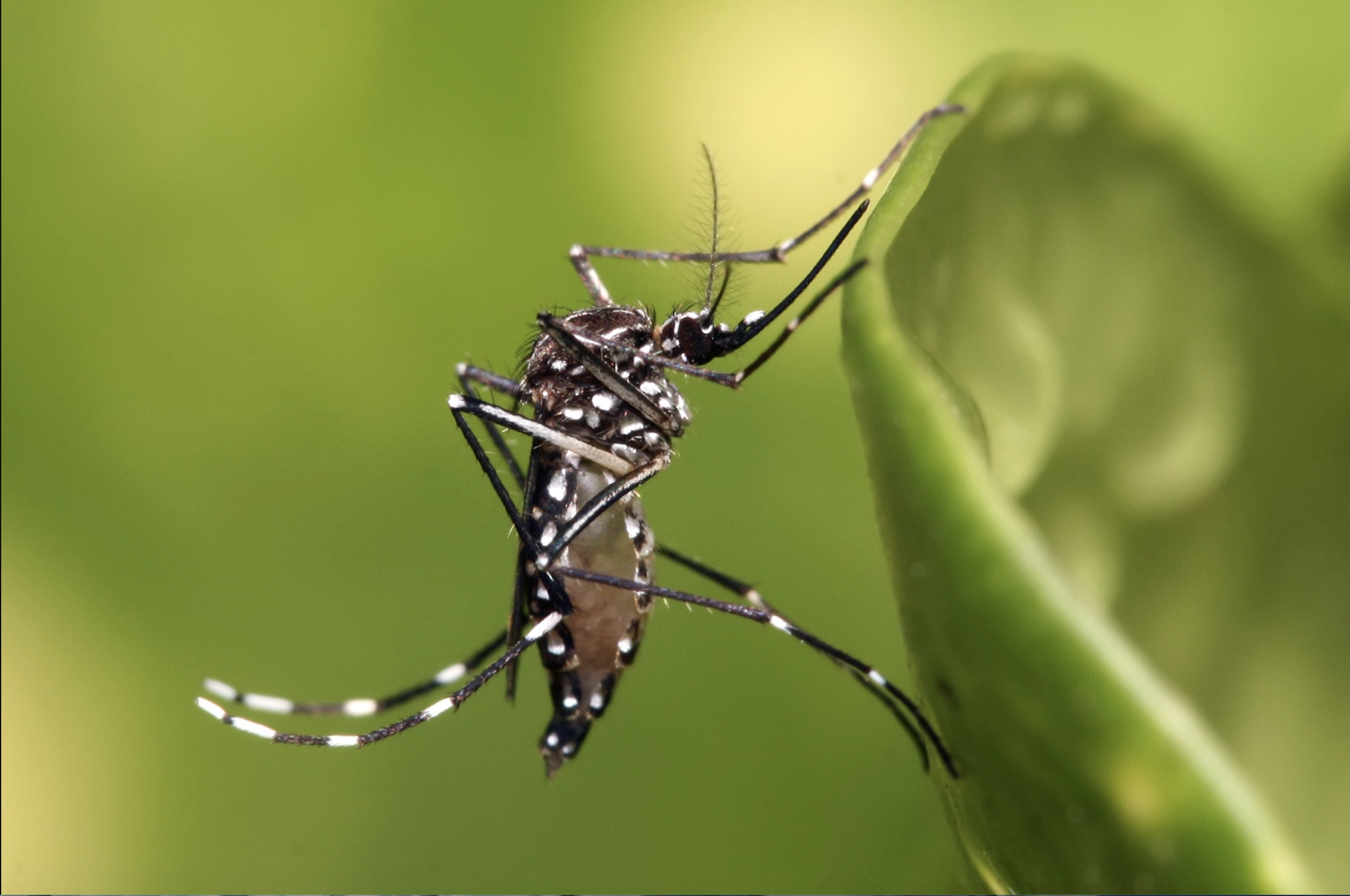
    There has been an outbreak of meningococcal disease in Canterbury, Kent, England. Students have been affected, and deaths have occurred (please see Canterbury Meningococcus). You can be a carrier (about 10% of the population) of these bacteria without it leading to sepsis and/or meningitis. A so-called natural immunity – an asymptomatic carrier.

    If you do get infected, the course of the disease is very rapid, and intensive care is required. A little bacteria that is not visible and in the worst case can be fatal.

    Since there are at least 12 different serogroups, you can still get infected because you do not carry all the varieties asymptomatically. As early as 1805, epidemic meningitis was described. Transmission occurs through direct contact, close contact, such as university accommodation, military installations, or large gatherings such as the Hajj pilgrimage to Mecca in Saudi Arabia. Interestingly, vaccination is mandatory before certain pilgrimages. Not all. Right now, England is looking into whether students may have shared vapes.

    The last major international outbreak was a scout camp in Japan in 2015, where 1,500 Swedish scouts were given antibiotics (ciprofloxacin) to prevent infection. Once the bacterial strain has been genotyped, perhaps vaccination can be expected to be effective. In Sweden, the Canterbury strain of meningococcus is rare, which is why, as far as I understand, it is not considered necessary to vaccinate. This is Canterbury, not Salisbury, where the Russian spy and his daughter were poisoned in 2018.

    I will vaccinate myself against TBE soon. It is time again. Unfortunately, there are hospitalizations with meningitis (meningitis) or encephalitis (brain inflammation). After all, it is cozy tto go for a walk with a dog.

  • From monoaminergic synthesis to DNA (Generations)

    I have always been fascinated by simplicity. First, I had to learn to write intricately and in an educational, complex way, which takes many years. Thereafter, I have worked on simplifying my writing. I have also focused more on prioritizing what is really important.

    During my years at the Department of Pharmacology in Göteborg, monoaminergic transmission was/is central. Catechol synthesis from dietary tyrosine to the pharmacologically active catecholamines, such as dopamine, sat in my spinal cord. Dopamine, which controls much of our behavior, is related to noradrenaline and adrenaline, which, among other things, regulate more understandable body functions such as pulse and blood pressure.

    I have made a small schematic sketch of this synthesis in the picture below. To never forget the order, I always thought of DNA, which corresponds to dopamine, noradrenaline, and finally adrenaline. I also knew the enzymes that catalyzed this, but here I do not focus so much on them. My creative time in France this year made me remember how to draw structural formulas where the benzene ring is included. Today, computers handle this in advanced 3D models. Development is moving forward.

    Monoaminergic synthesis.

    Reserpine is included in my sketch, and I want to quote an original finding from Nature 1957 with Carlsson A et al. Nature1957 Nov 30;180(4596):1200), please see https://www.nature.com/articles/1801200a0

    In this publication, rabbits were given reserpine, which is obtained from the reserpine plant in India. As you can see in the picture below, the rabbits are apathetic and cannot do much more than rest. The same thing happens with humans. The important question was to answer whether this effect was linked to catecholamines (monoamines) and/or serotonin. When the rabbits were given L-DOPA, the same rabbits became alert again, as you clearly can see. This shaped the basis of the treatment for Parkinson’s disease that is still used today.

    This image setting really impressed me. Maybe partly because I was used to growing up seeing the shot winter hare on the steps in the cold, hanging with spruce branches in its belly. I still remember when I found a small bullet in the food I was eating that I immediately spat out.

    The effect of L-DOPA in reserpine-treated rabbits.

    My sketch above summarizes my thoughts, and perhaps you understand how I carried the monoaminergic synthesis in my memory and how it has inspired, via DNA, my book ´Generations´. Or?

    Rounding off by sharing some French music. I need to explain this and a little more before I can fully start writing Molly’s book. Her book will be completely in the humanities after AI inspiration/insight.

    Stay safe 🐾