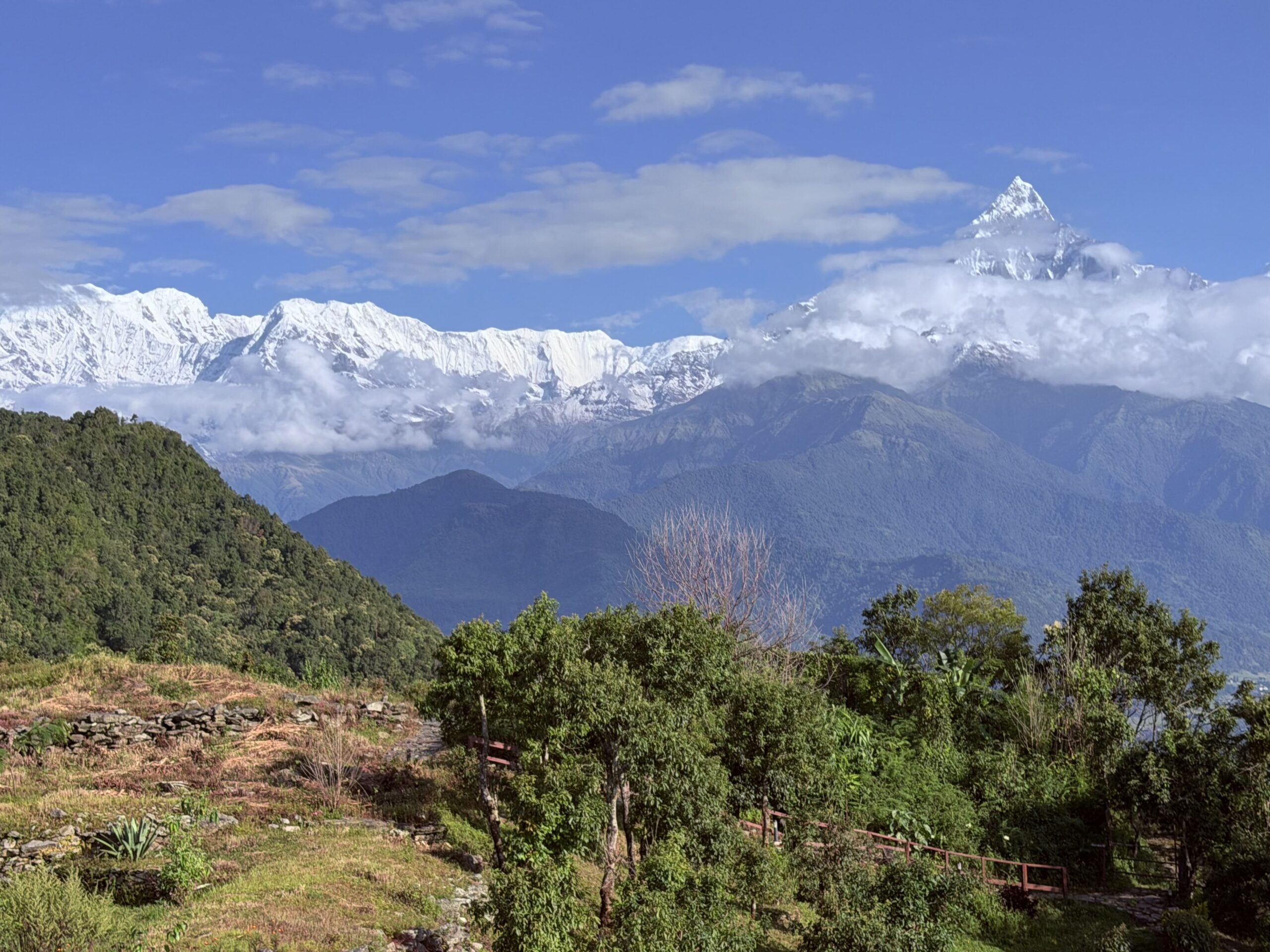
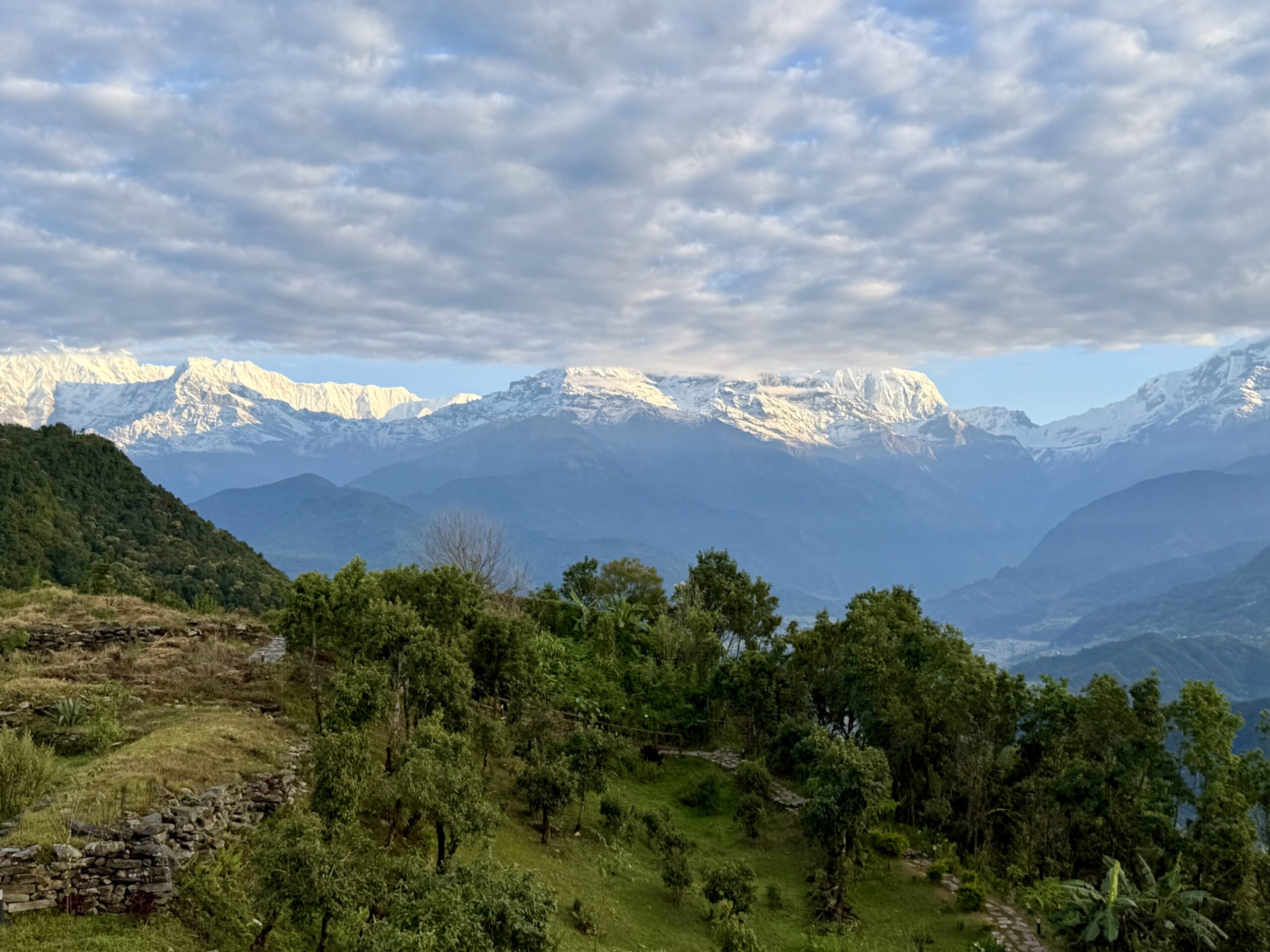
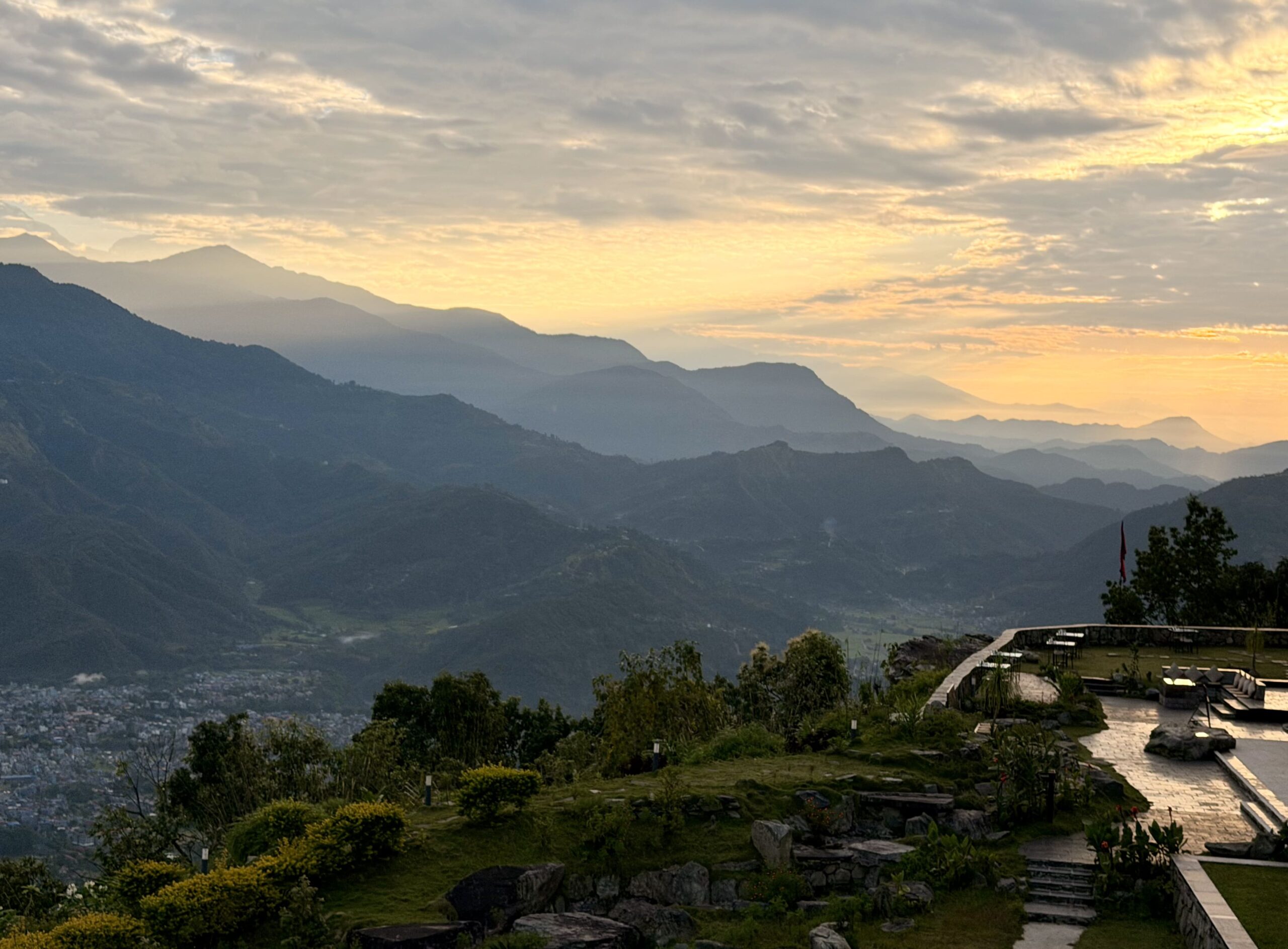
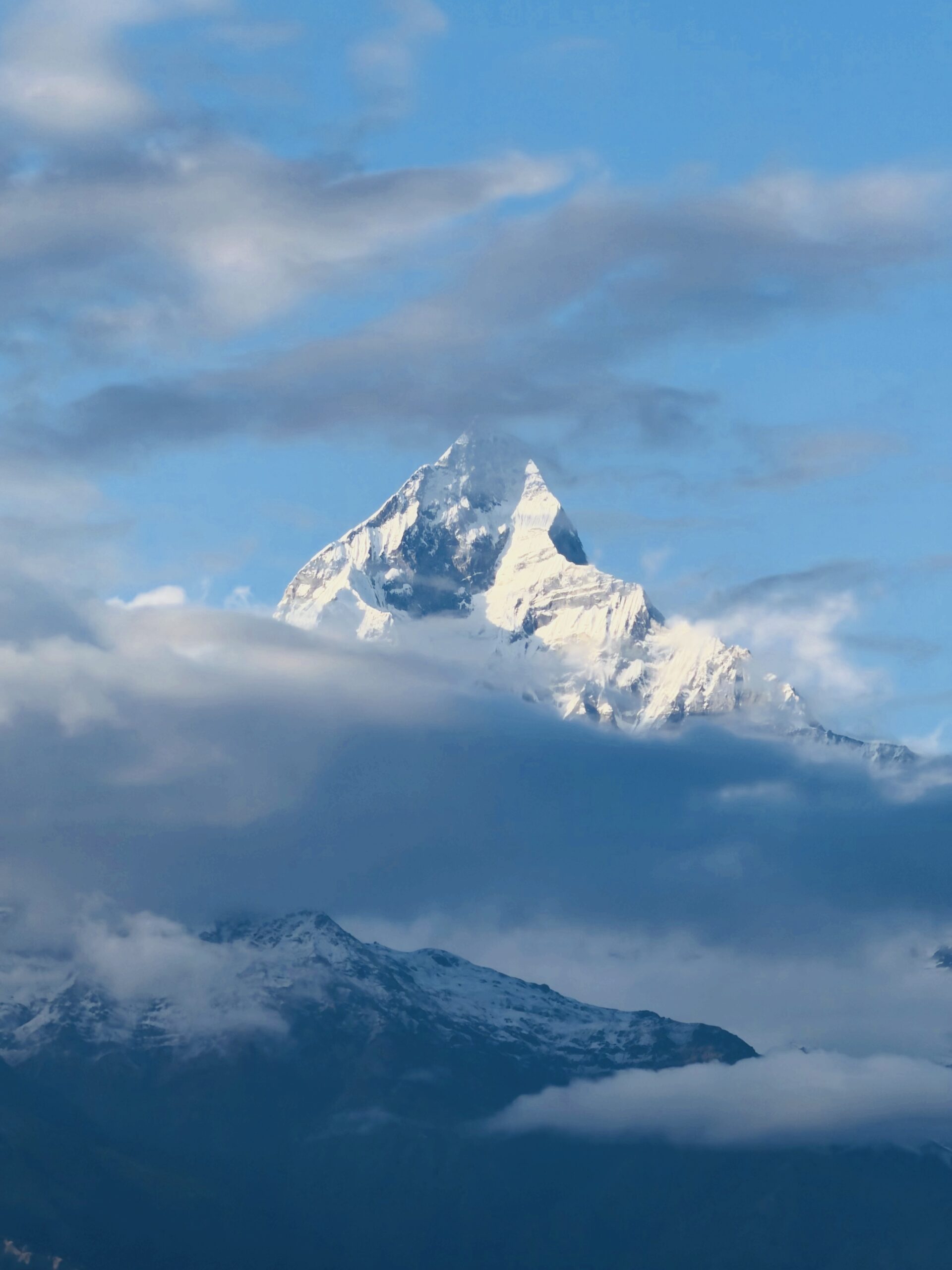
I woke up very early to see the Annapurna Himalaya. I sure am lucky because the other day was cloudy, so you couldn´t see anything.
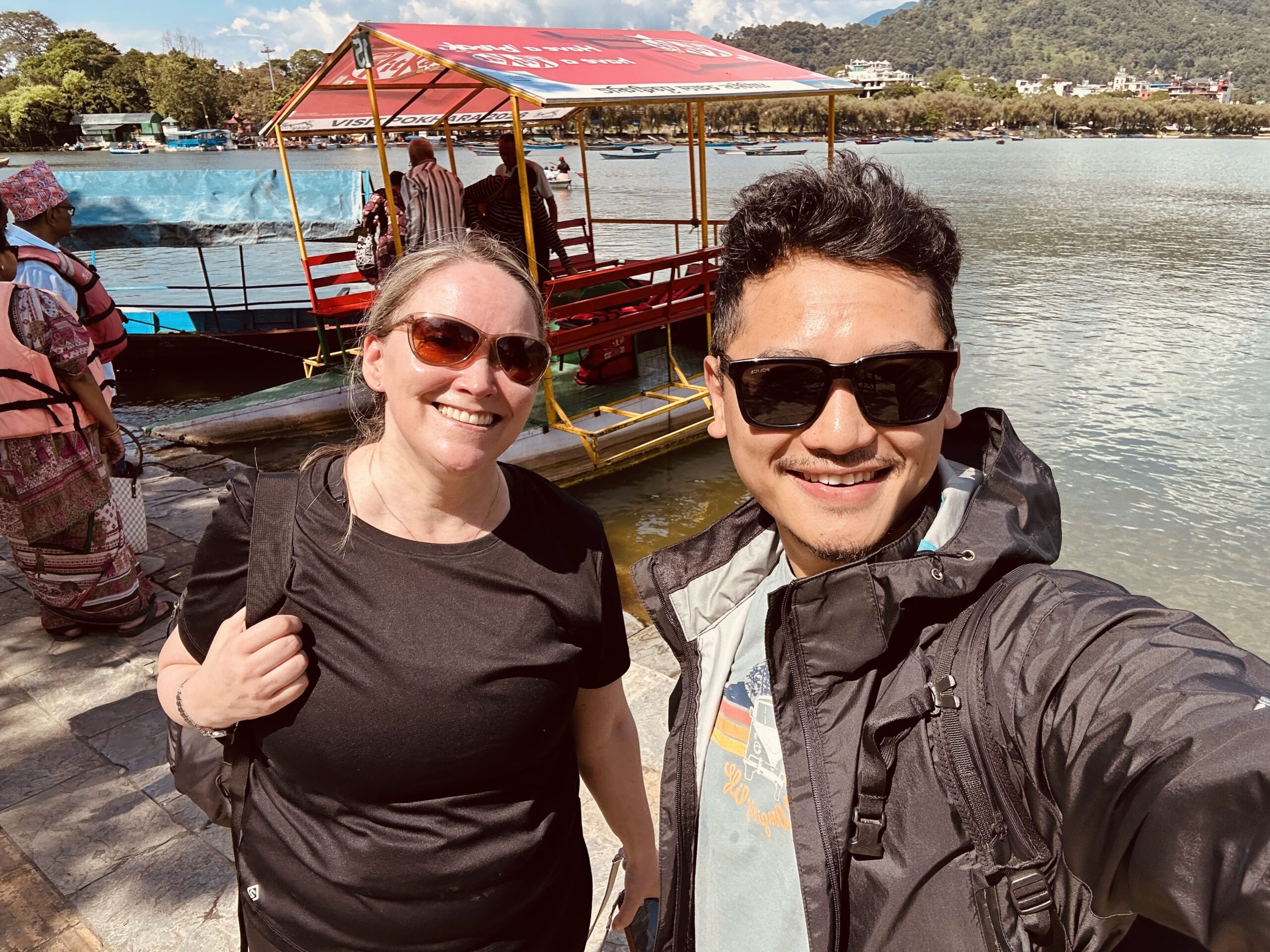
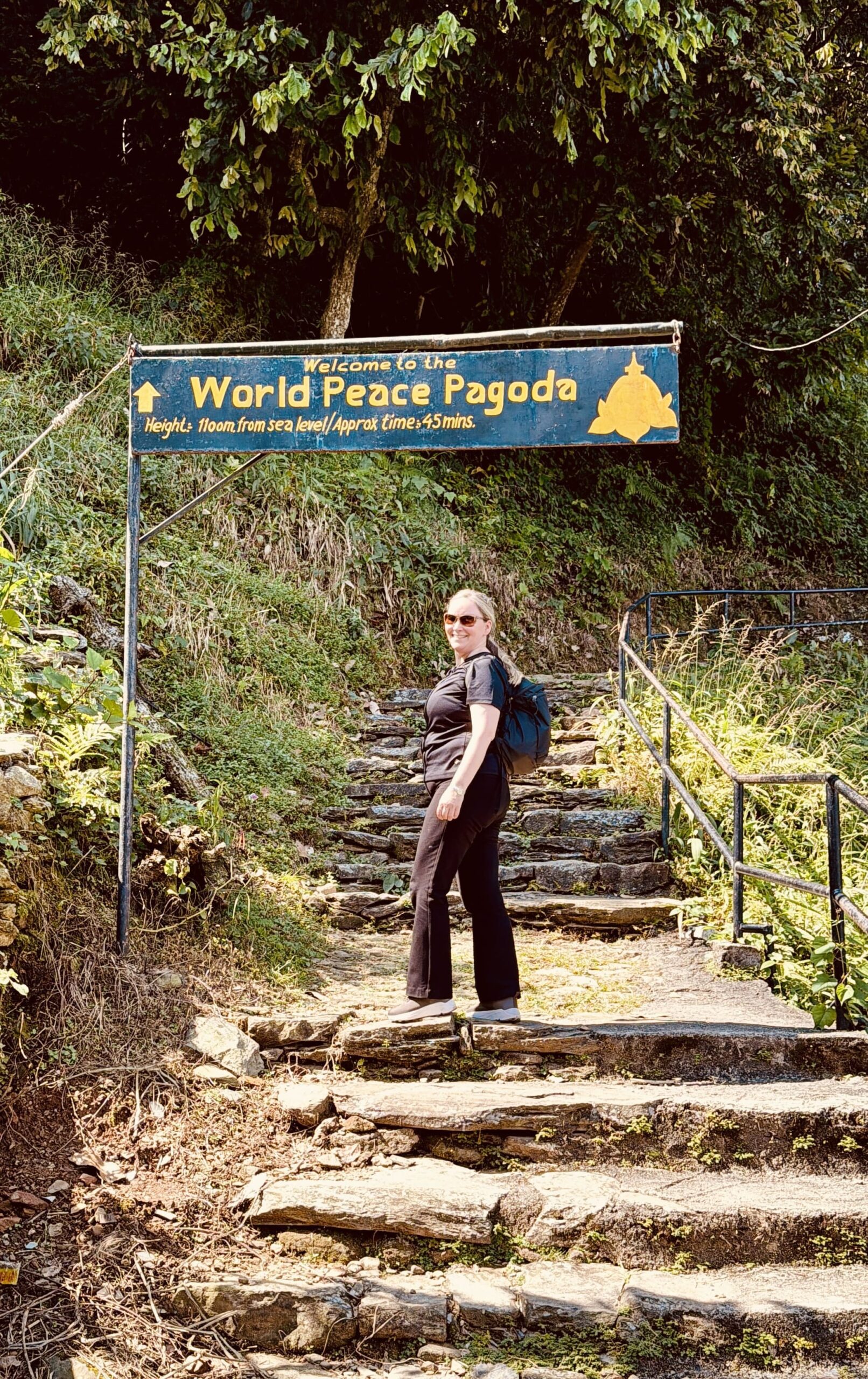
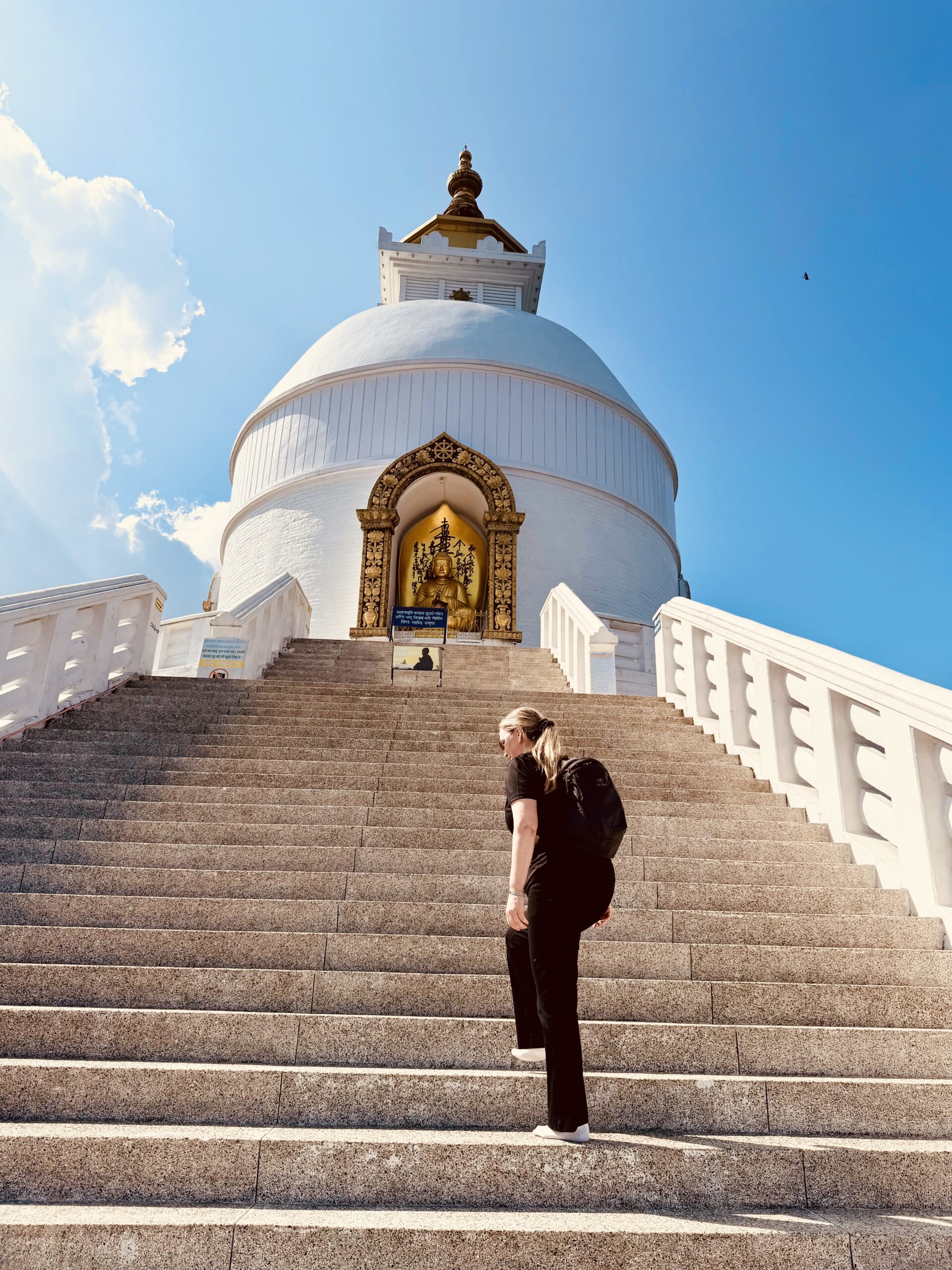
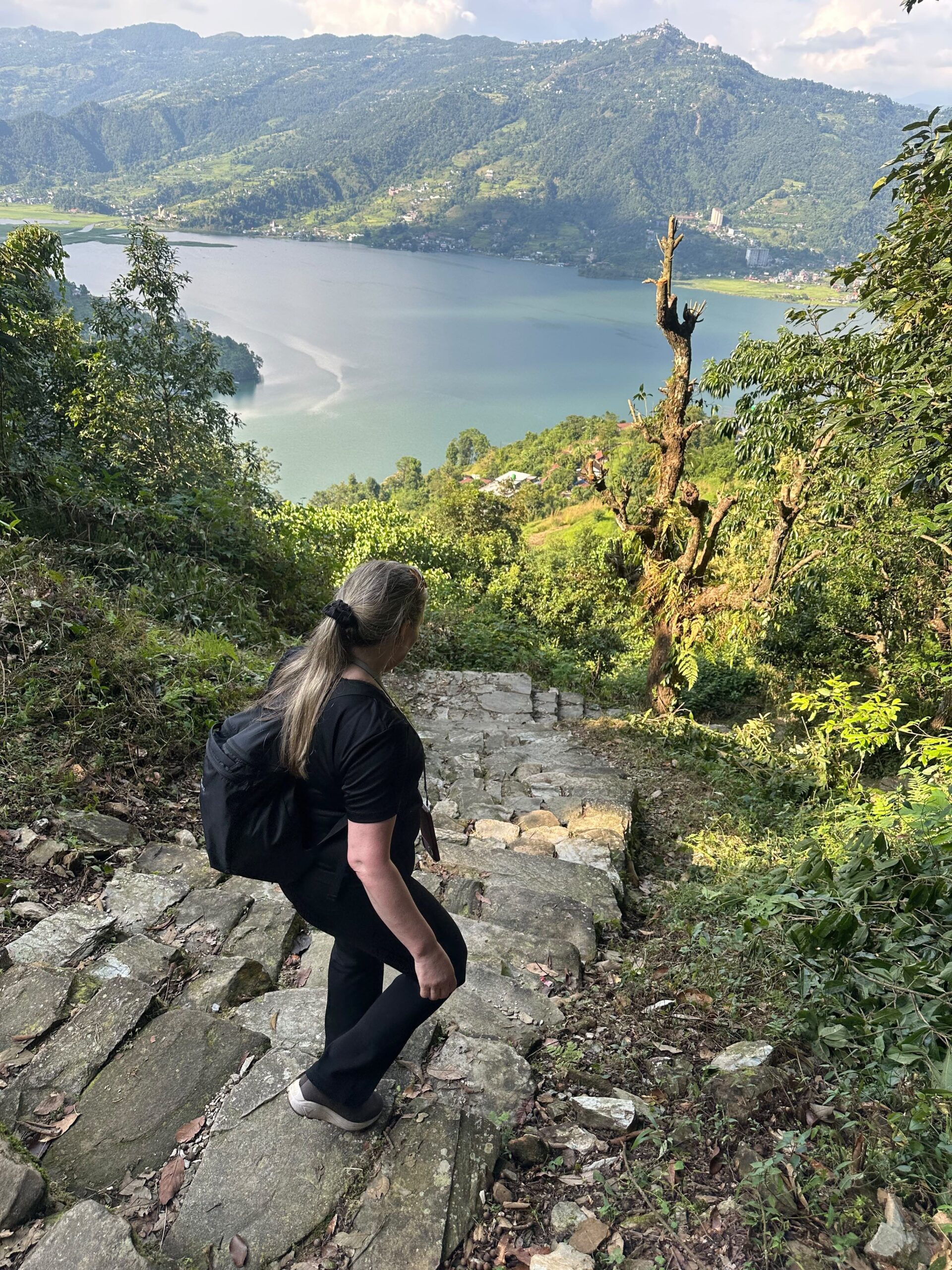
A beautiful day. Professor Thapa has a nephew in Pokhara, and I met him today. We made an excursion to a Pagoda on a hill. Swedish mountains are hills. Mountains are those with snow on top.
The Pagoda felt so close, but there were many steps to walk before reaching the Pagoda.
I will write more later, and I would just like to add some memories and write more a little later.
Professor Thapas nephewWorld Peace PagodaThe PagodaThe lake with all fish
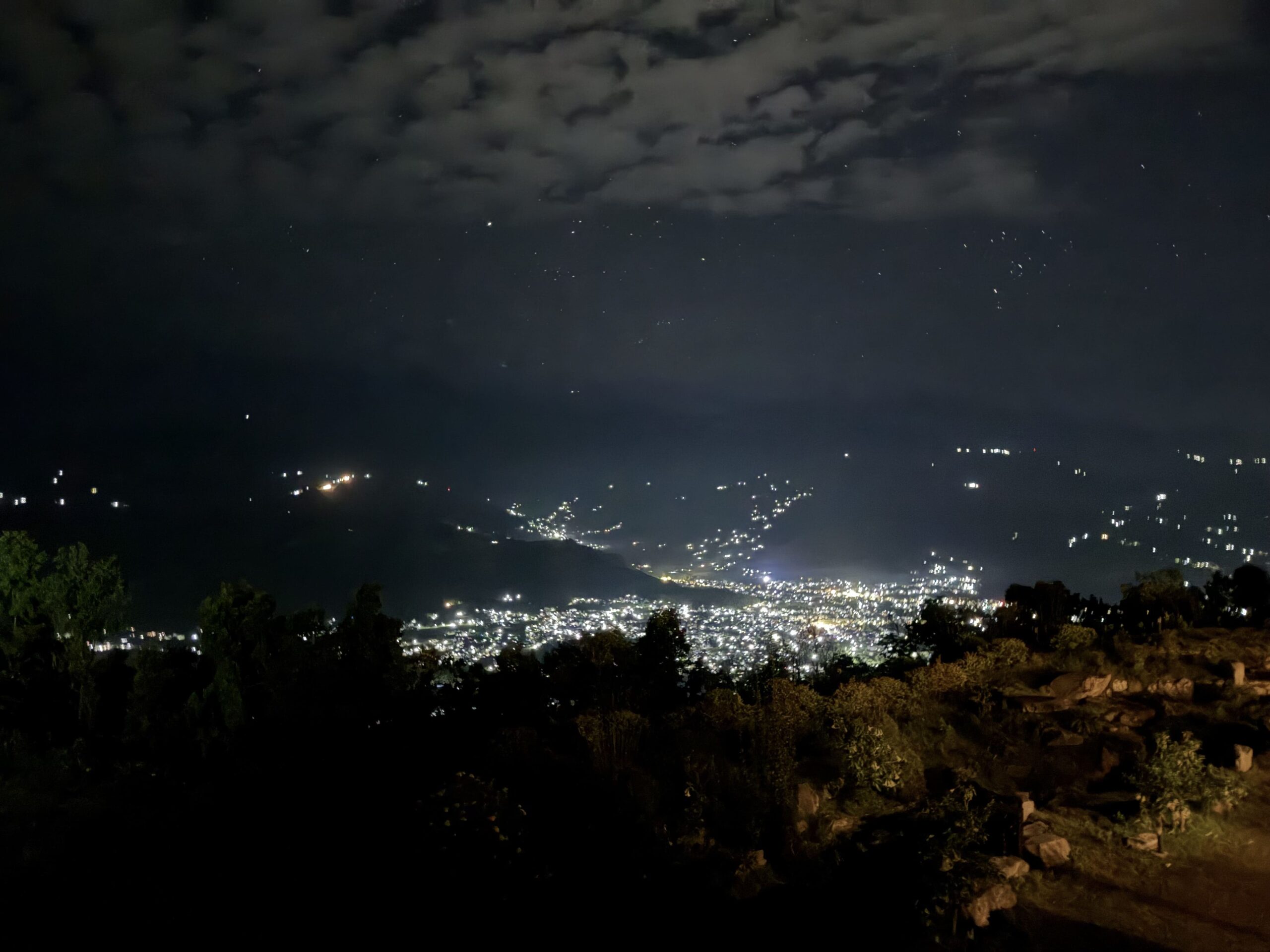
I feel overwhelmed again by the view outside my window. I have a little balcony, and I couldn´t resist taking a photo even though it is dark. Machhapuchhare (the fishtail) is hiding in the darkness. It is a great feeling knowing that the fishtail mountain is there. Sharing the photos below. It feels sacred, and I understand religion in this moment.
Machhapuchhare, the fishtail mountainPokhara
They say I have been lucky. Yesterday, the fishtail wasn’t visible. Now, of course, it cannot be seen. I’m getting up early to see the mountain at sunrise.
Last evening, professor Thapa called me and told me that the road to Pokhara from Kathmandu has cracked. I had planned to go by bus. But now I had to quickly change and book a flight instead.
I was lucky since there were flights left. Right now I am waiting at Kathmandu domestic airport. This flight will only take 25 minutes. The atmosphere is buzzing. Everybody is so friendly.
Last night there was a huge thunderstorm. I feel safe, and I am not afraid. I have been very well taken care of. It is also a different, vibrant mode compared to Sweden. You have to rapidly adapt to a new situation.
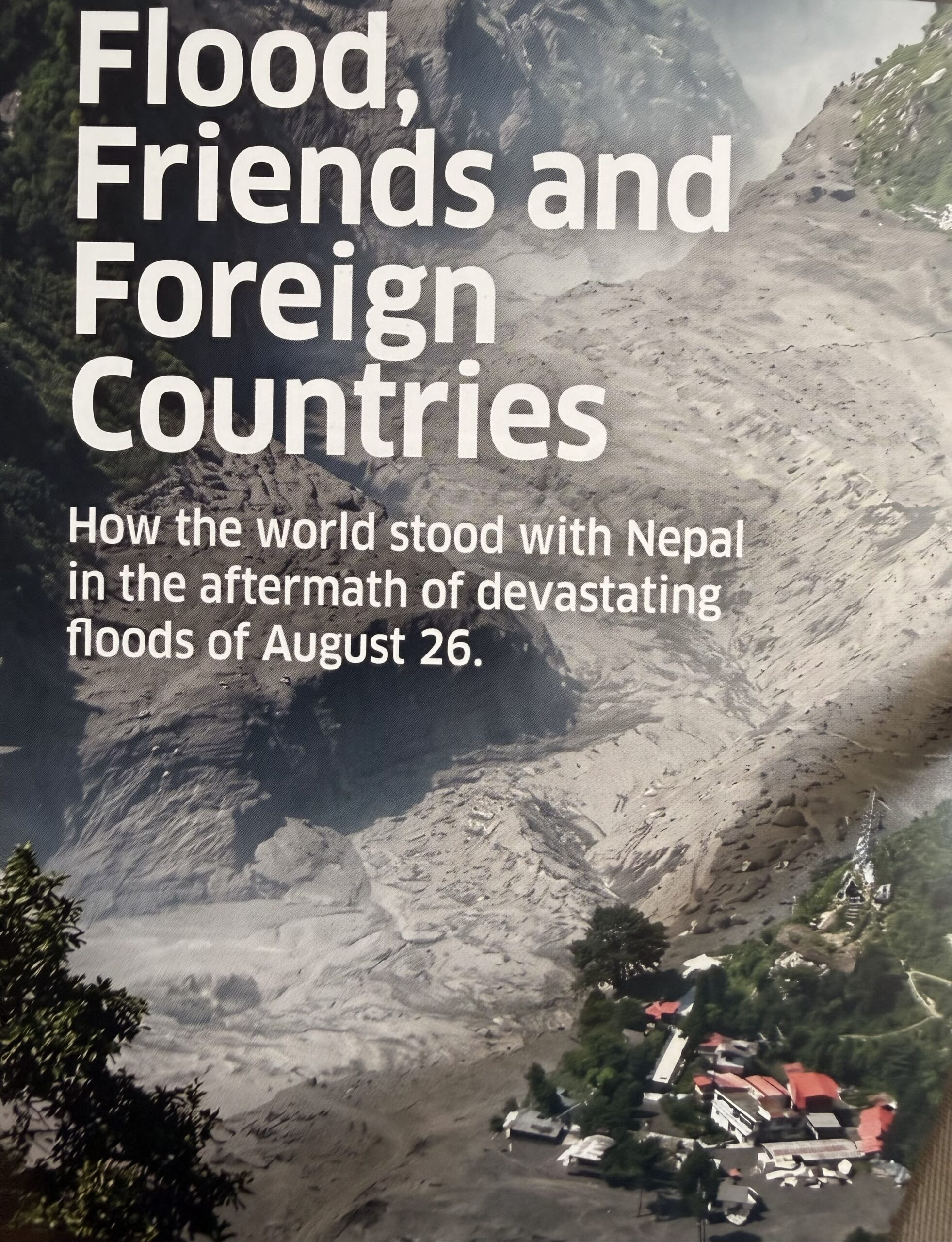
I found some news about the flood. A lot of people have lost their lives. I am happy to read that help from abroad is present. Nepal is recovering.
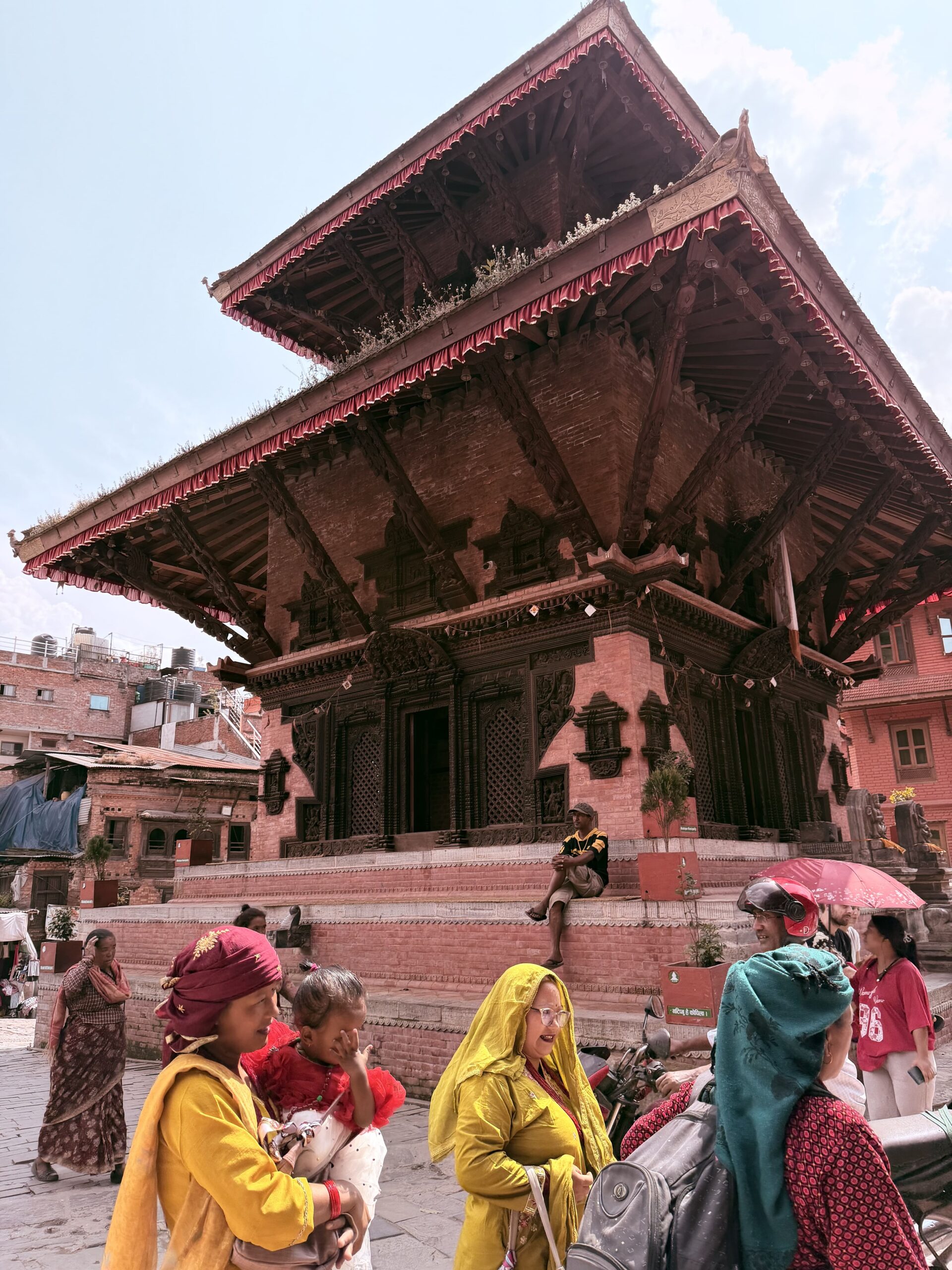
Today has also been overwhelming with new, great impressions. I had a fun day with professor Thapa’s niece. Kathmandu is mainly divided into three main areas, and Patan is one of them. She showed me houses from 1700th century. Beautiful buildings that are preserved.
Patan
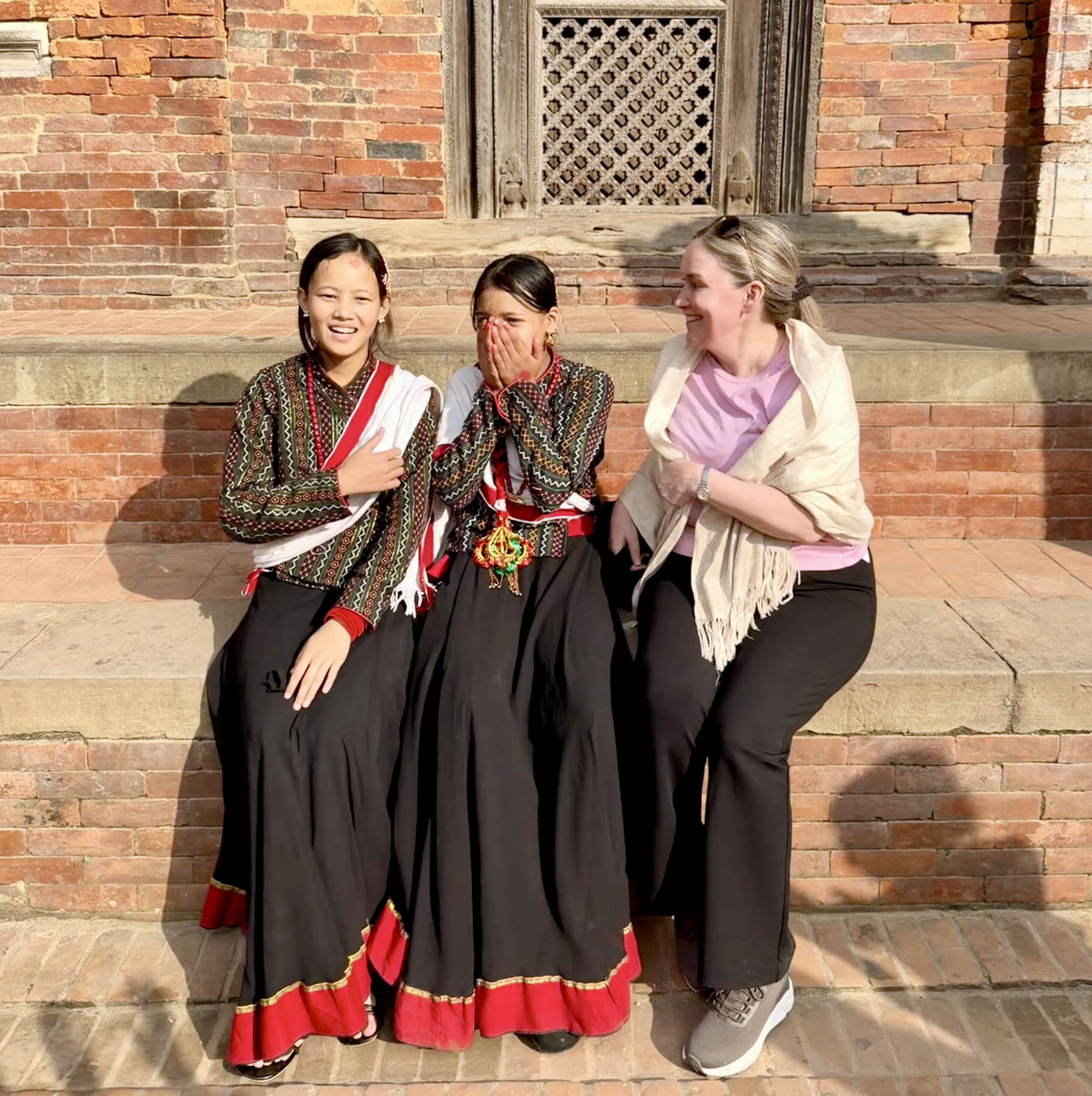
These pictures are seize-the-day moments. These girls started to wave at us, and we joined them for a little while. Aparna is taking the photo.
A very fun and lovely moment
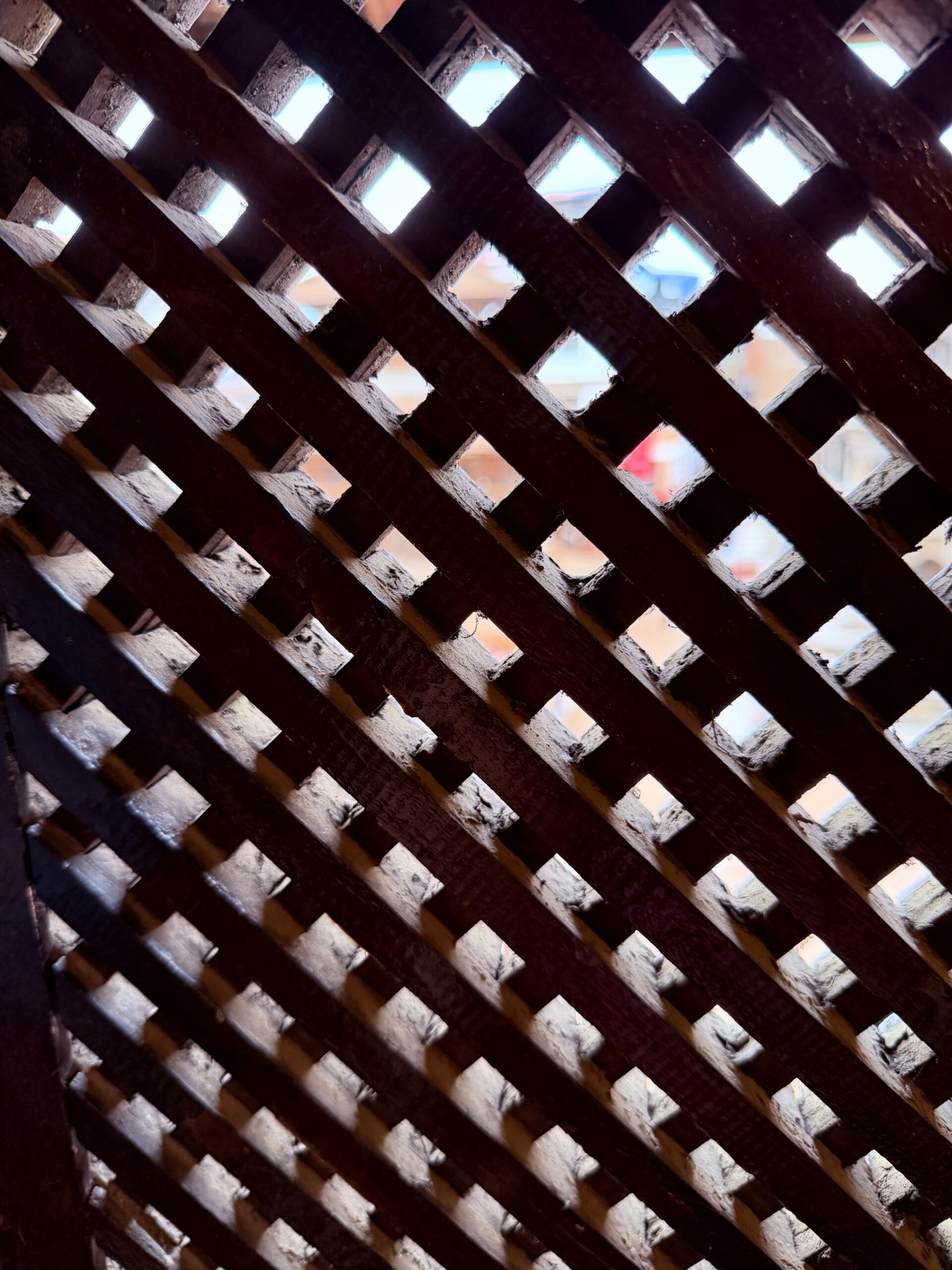
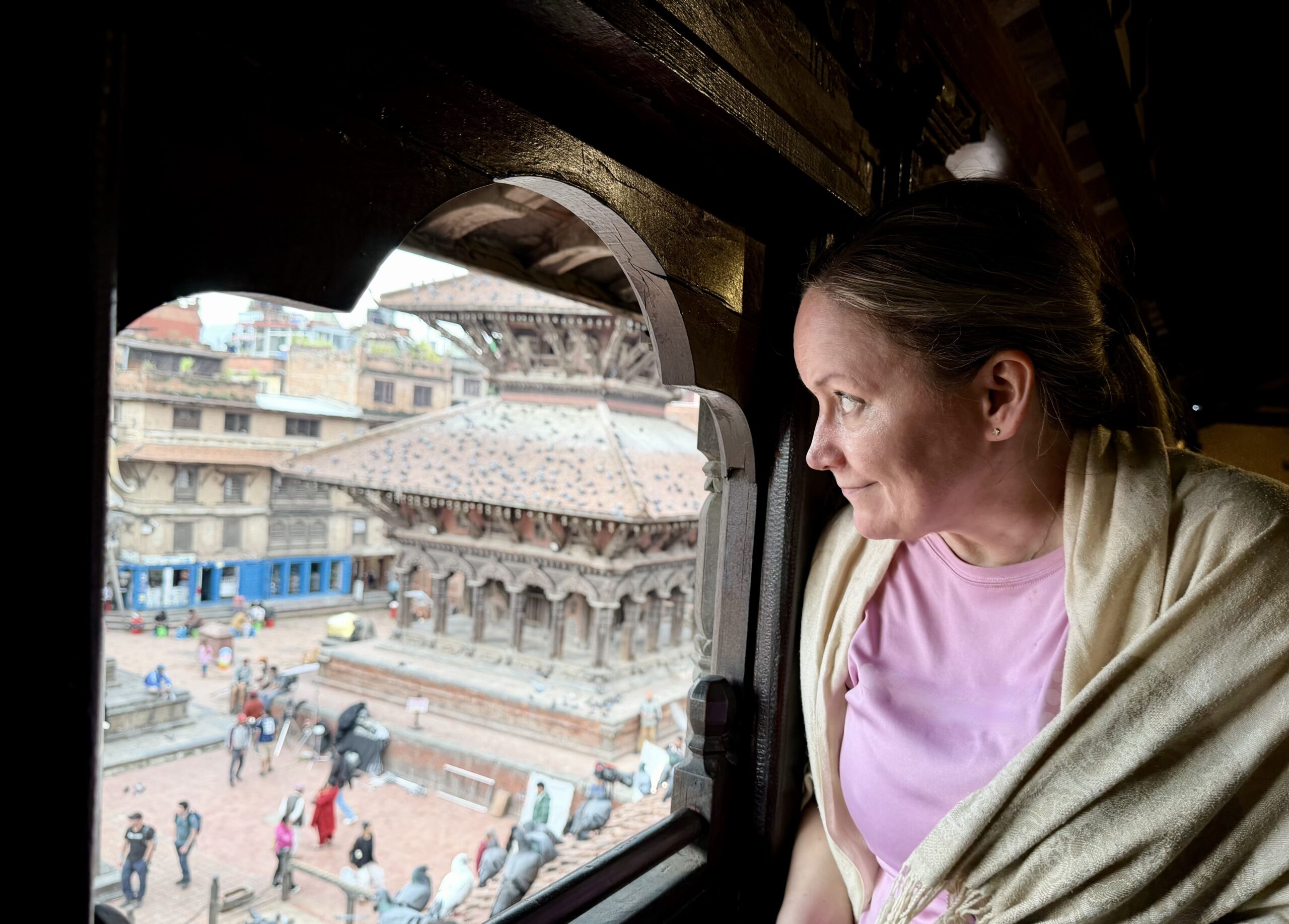
Aparna showed me the museum in Patan. She liked having photos and she told me that when people wanted to hide they closed the window from the courtyard. You can watch the street from the house, but people on the street cannot see you.
Non transparent windowsHide and seek
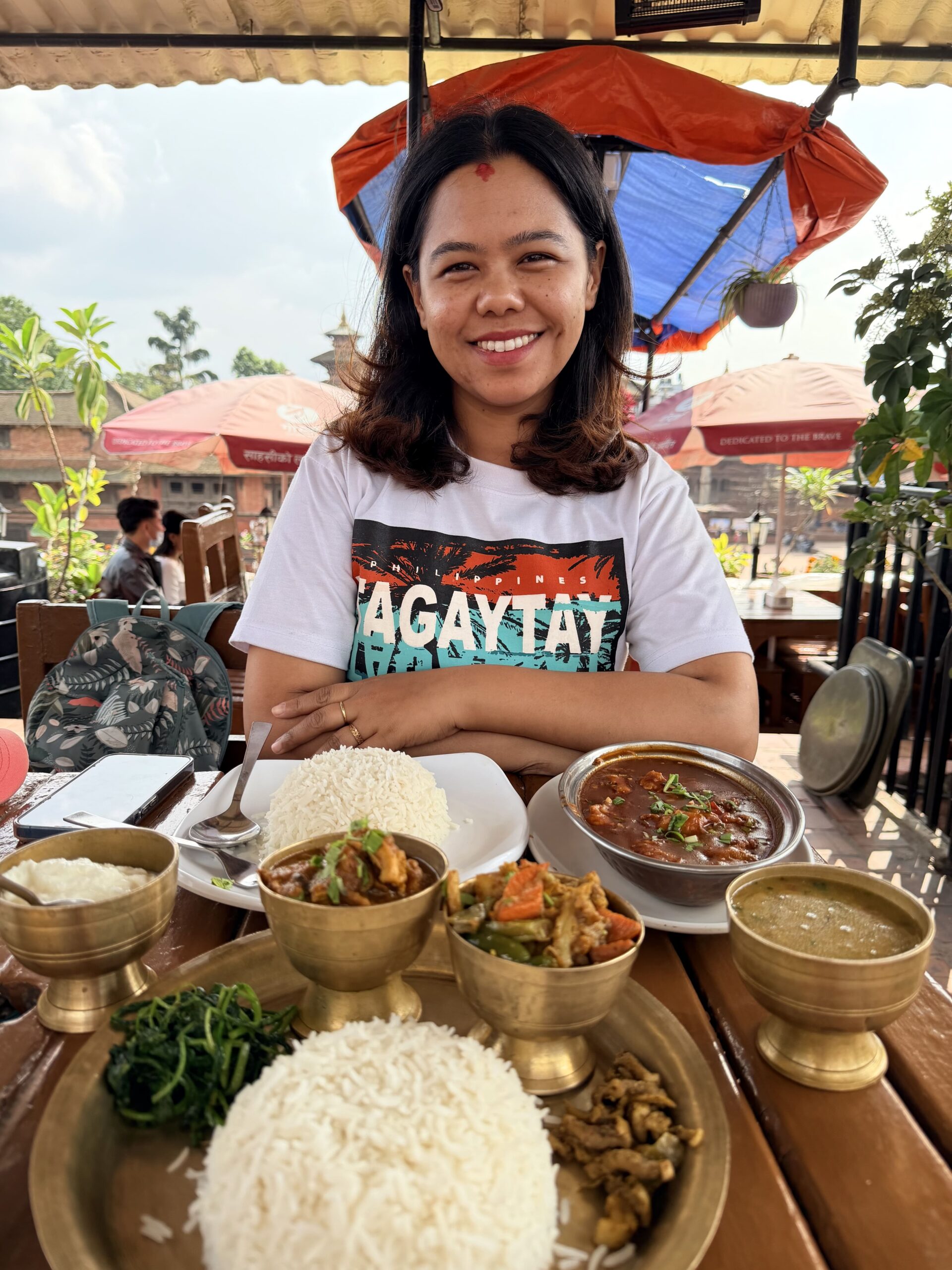
We went for a long walk and had lunch on a restaurant rooftop. It was lovely to sit for a while and enjoy the atmosphere. I told Aparna that I find this all very exotic—the old buildings, the bustling traffic with all the scooters, the beautiful colors and plants, and so on.
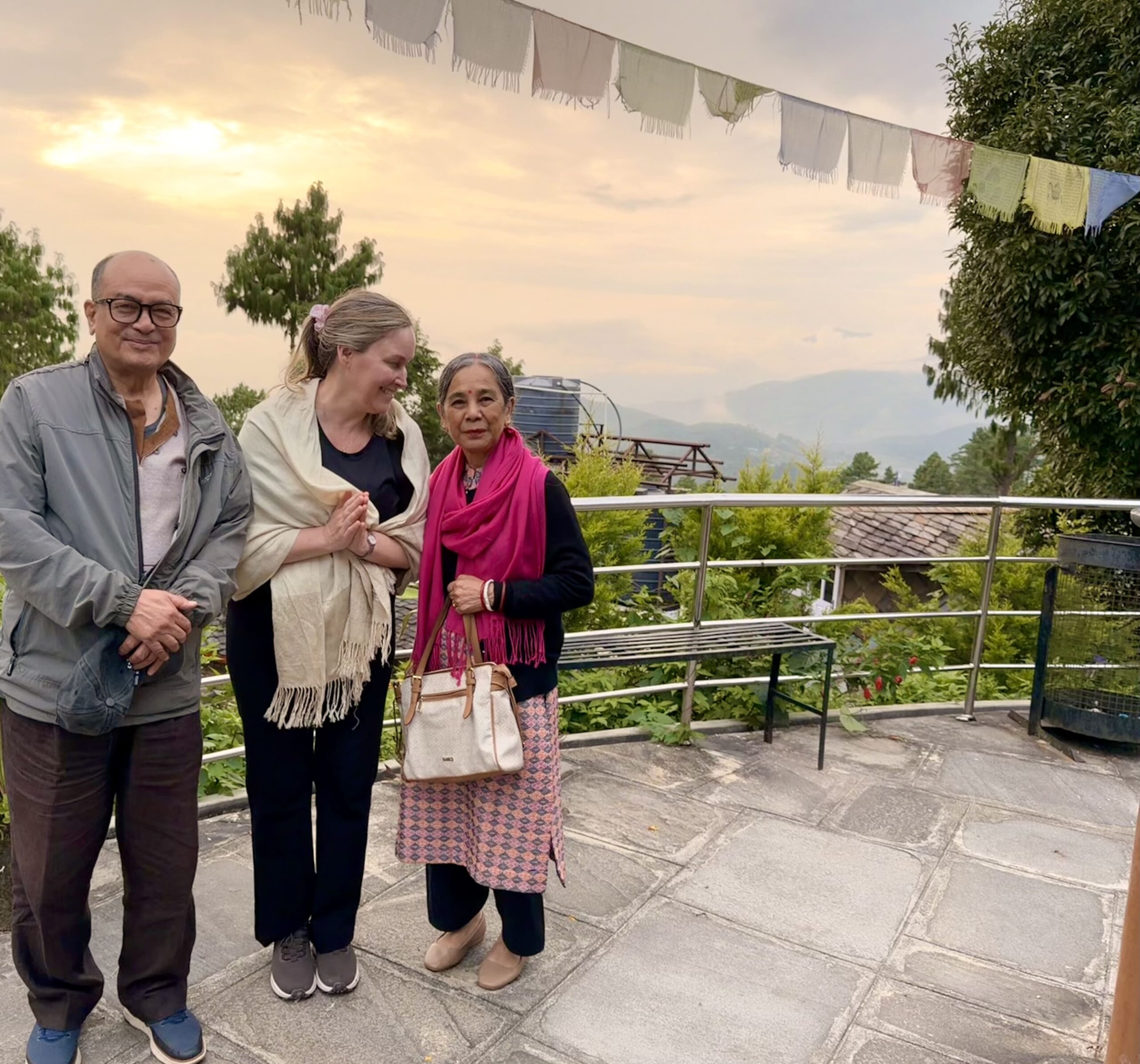
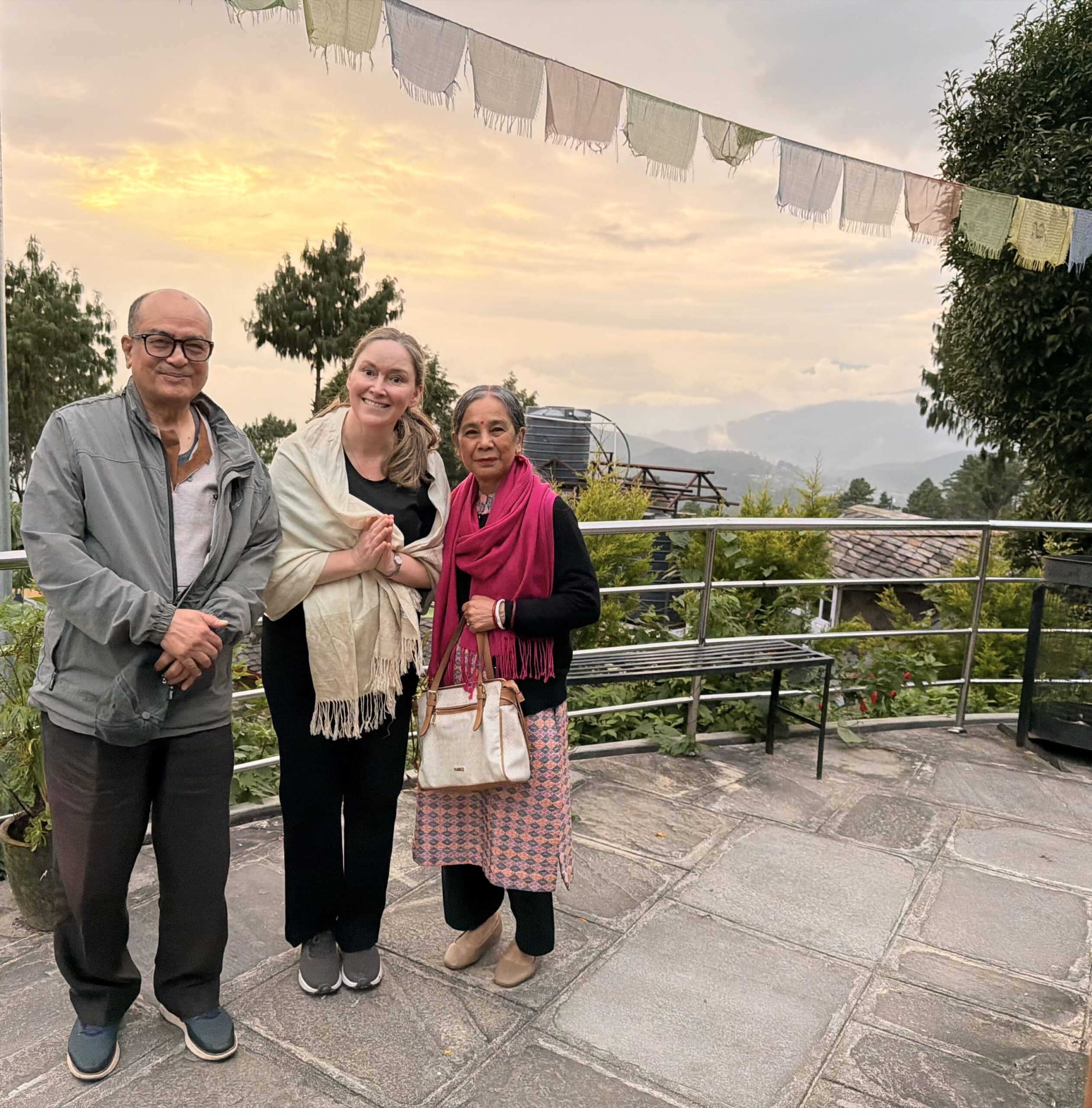
I was so happy to see Professor Thapa and his lovely wife. They met me early in the afternoon, and Professor Thapa´s driver brought us all the way to amazing Nagarkot. I feel overwhelmed by so many beautiful moments that I need to write about them. Yes, this is really Writing & Leisure.
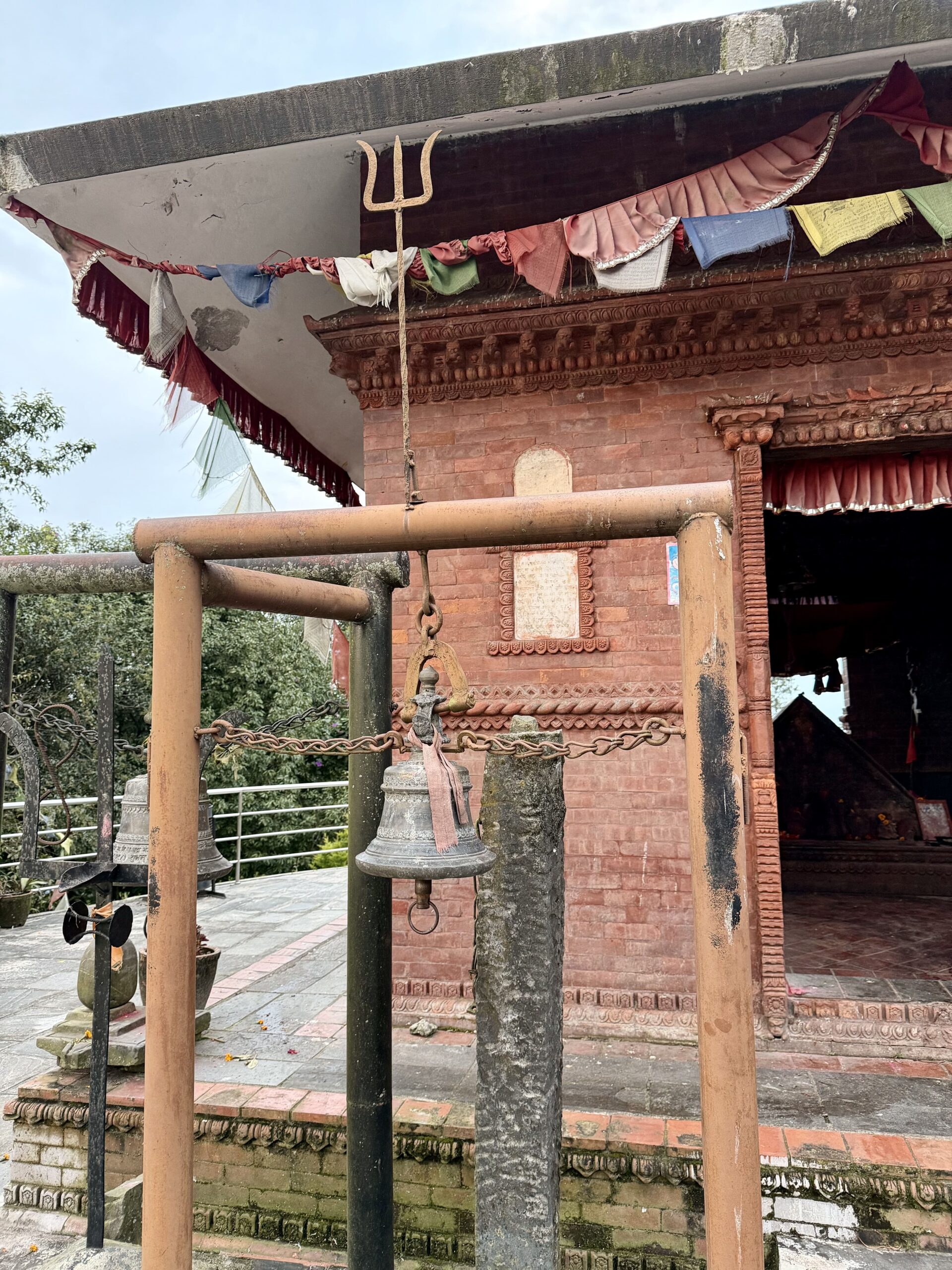
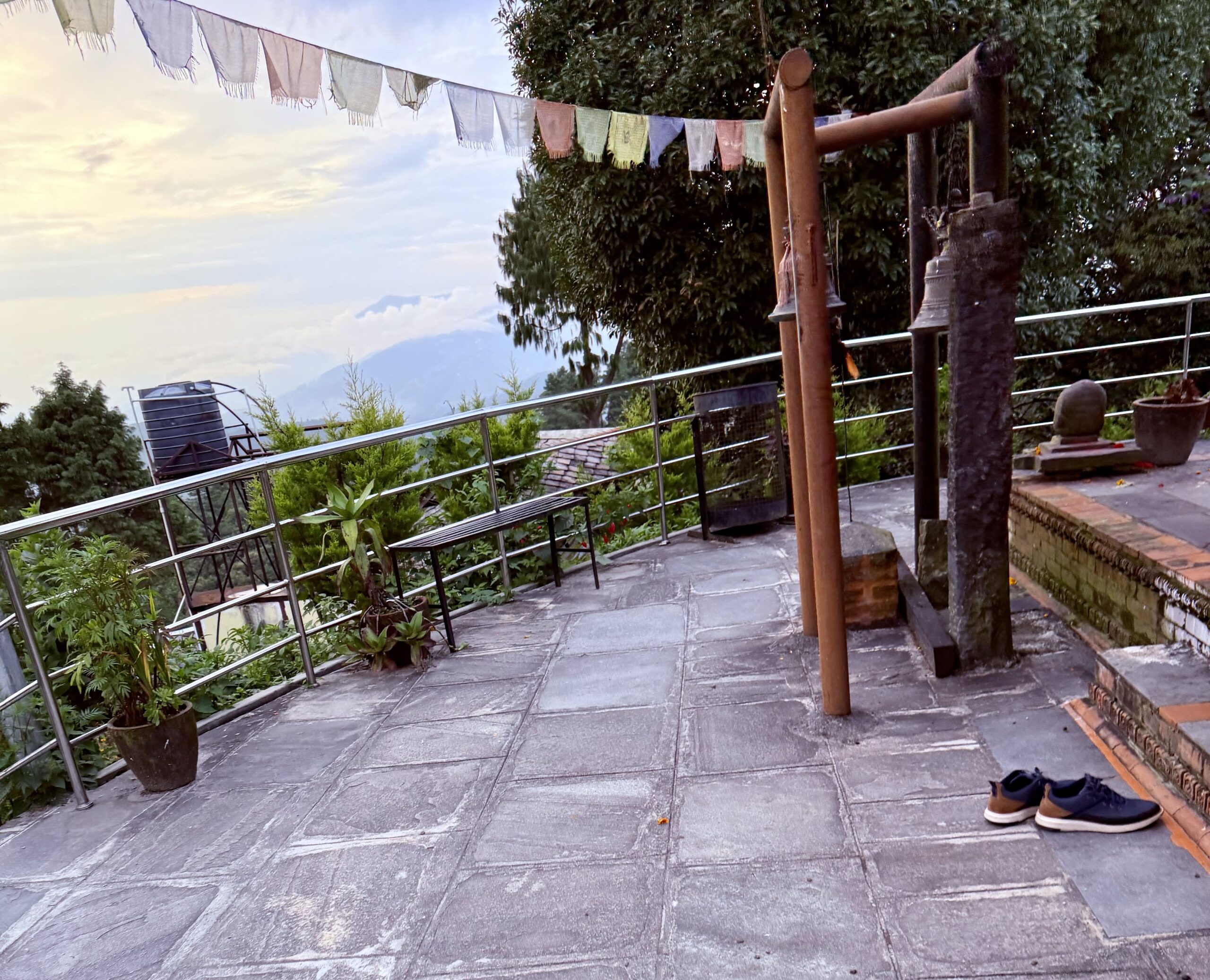
We went by car – it was like the crookedest street in the world. Similar to Lombard Street in San Francisco. The temperature was rather cool when we arrived, and Professor Thapa wanted to go to the temple, so we joined him. The sunset was ongoing, and we took off our shoes and said a little prayer. A precious moment that I will keep in my mind.
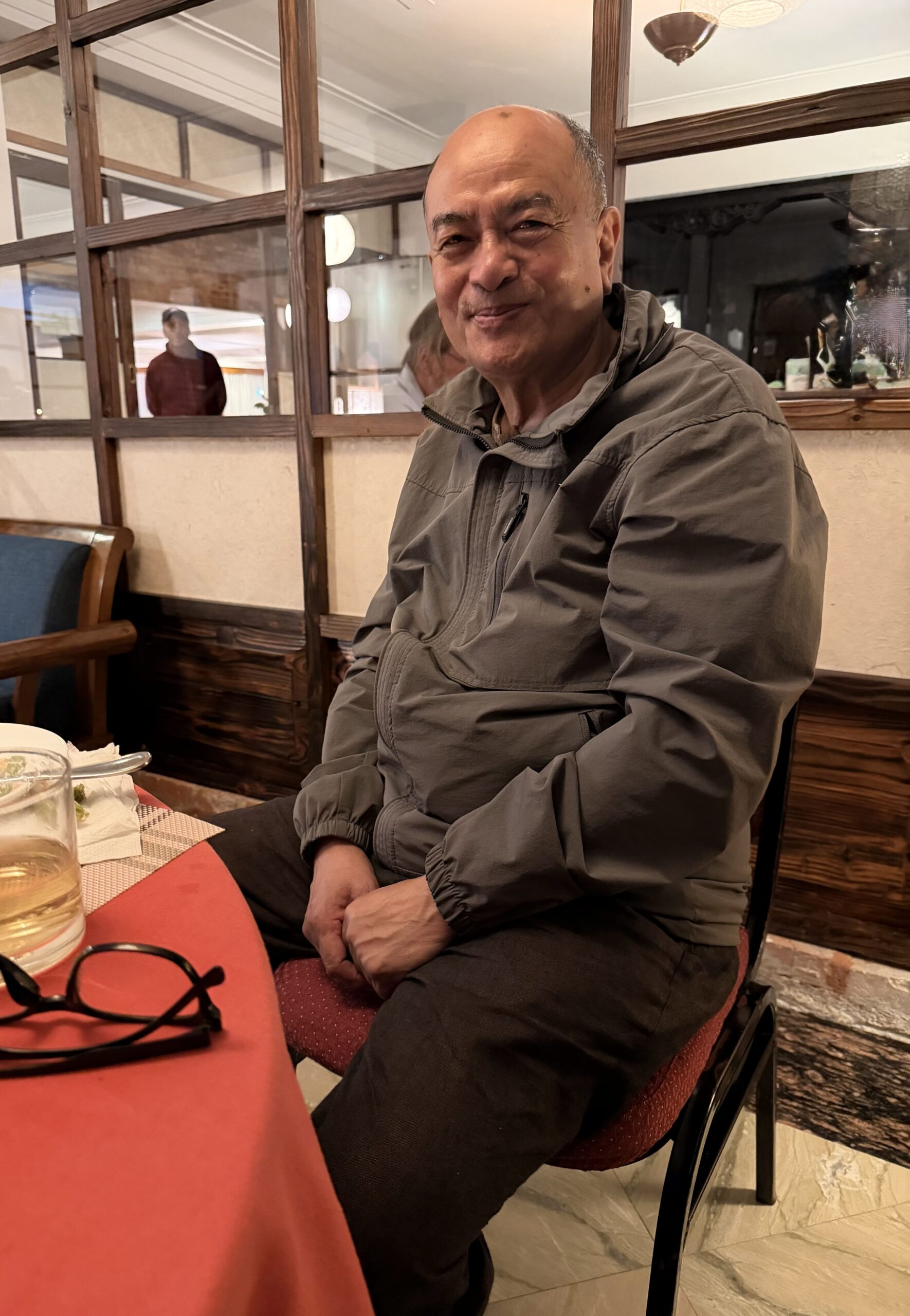
The bell ringsShoes offHappy to meet Professor Thapa and his wifeAfter our prayers
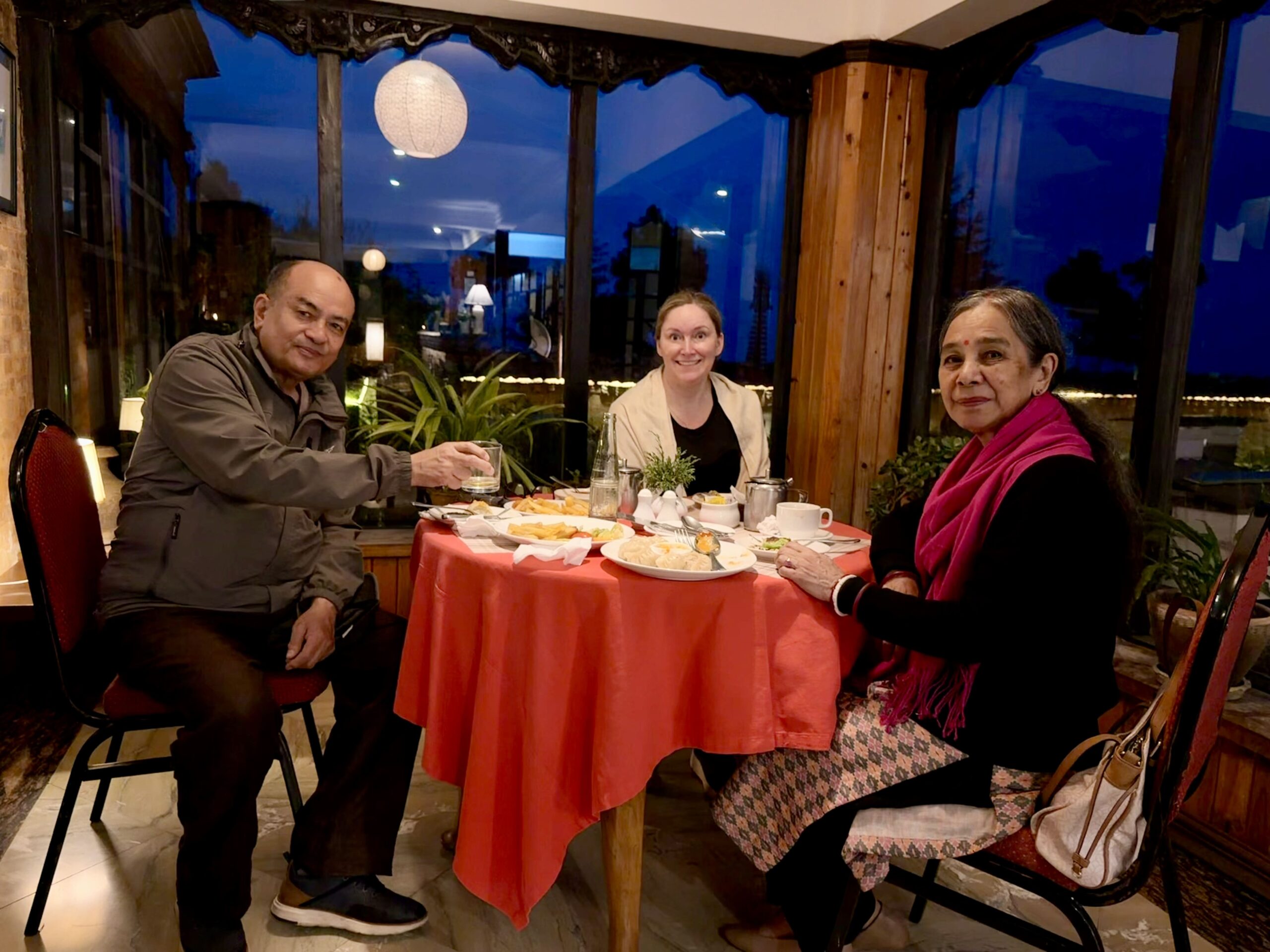
We had dinner together, and Professor Thapa ordered French Fries, dumplings, and vegetables. Since these were my first days in Nepal, I felt a bit impolite since I didn´t dare to eat so much. However, it was so tasty, and I love spicy food.
Professor Thapa at 2000 metersDinner time
We tried to call Professor Jörgen Engel, my previous supervisor, during dinner. It was not possible, but we could at least send some chats instead. I was reminded of pharmacology and the nicotinic receptors.
Professor Thapa and his wife returned to Kathmandu, and I stayed the night there. It was so calm and peaceful. At the end of the evening, the only light I had was a candle. I needed to go to bed early to wake up with the sun.
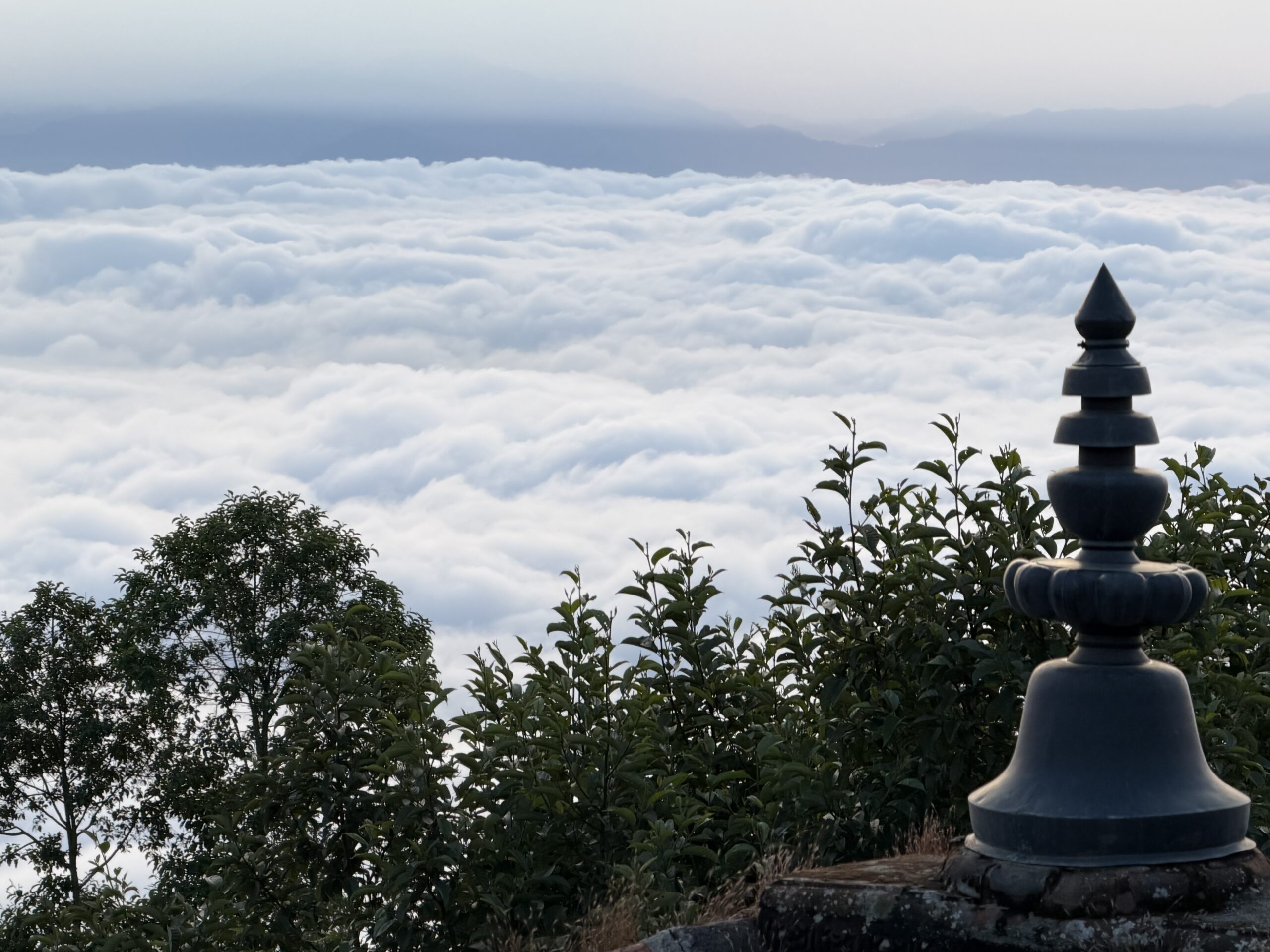
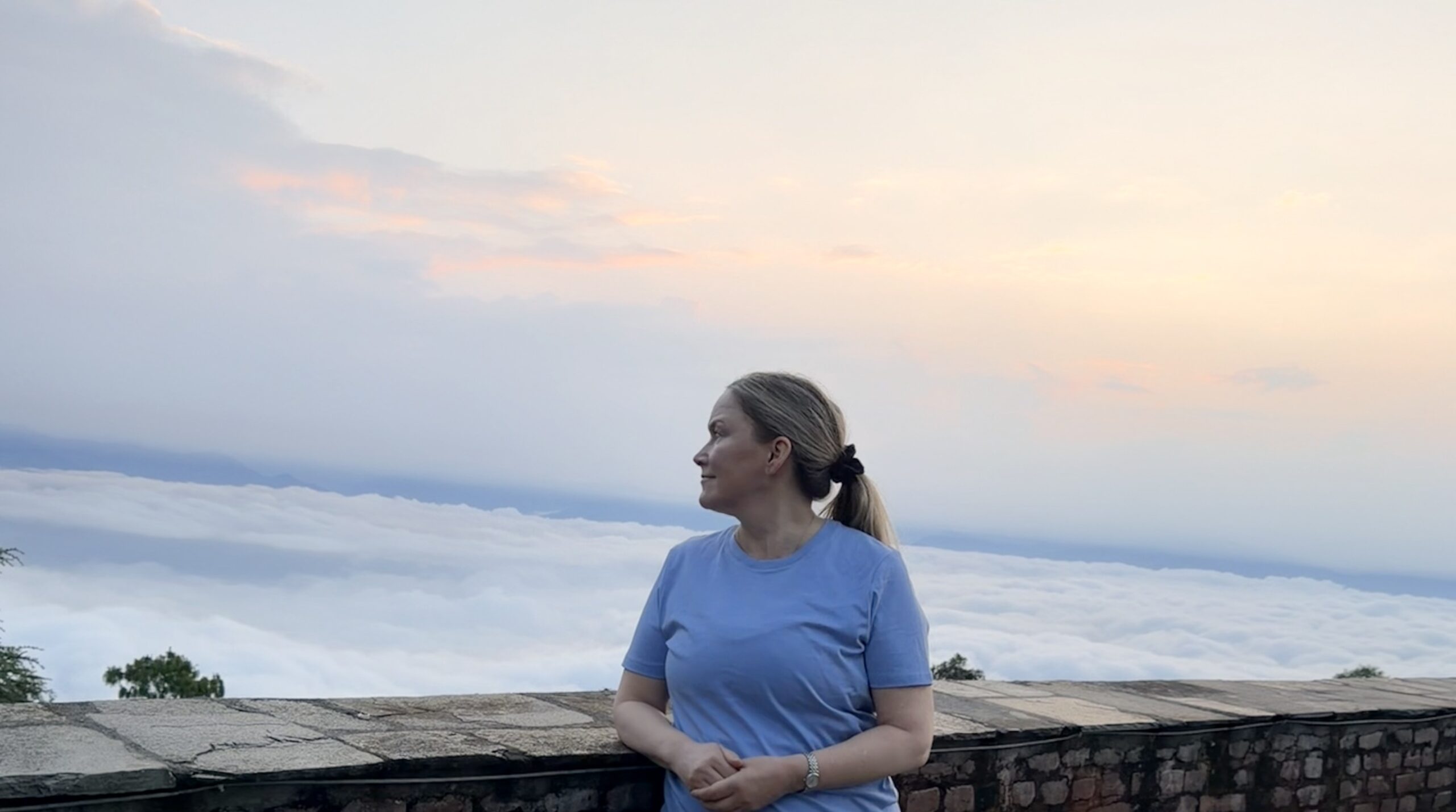
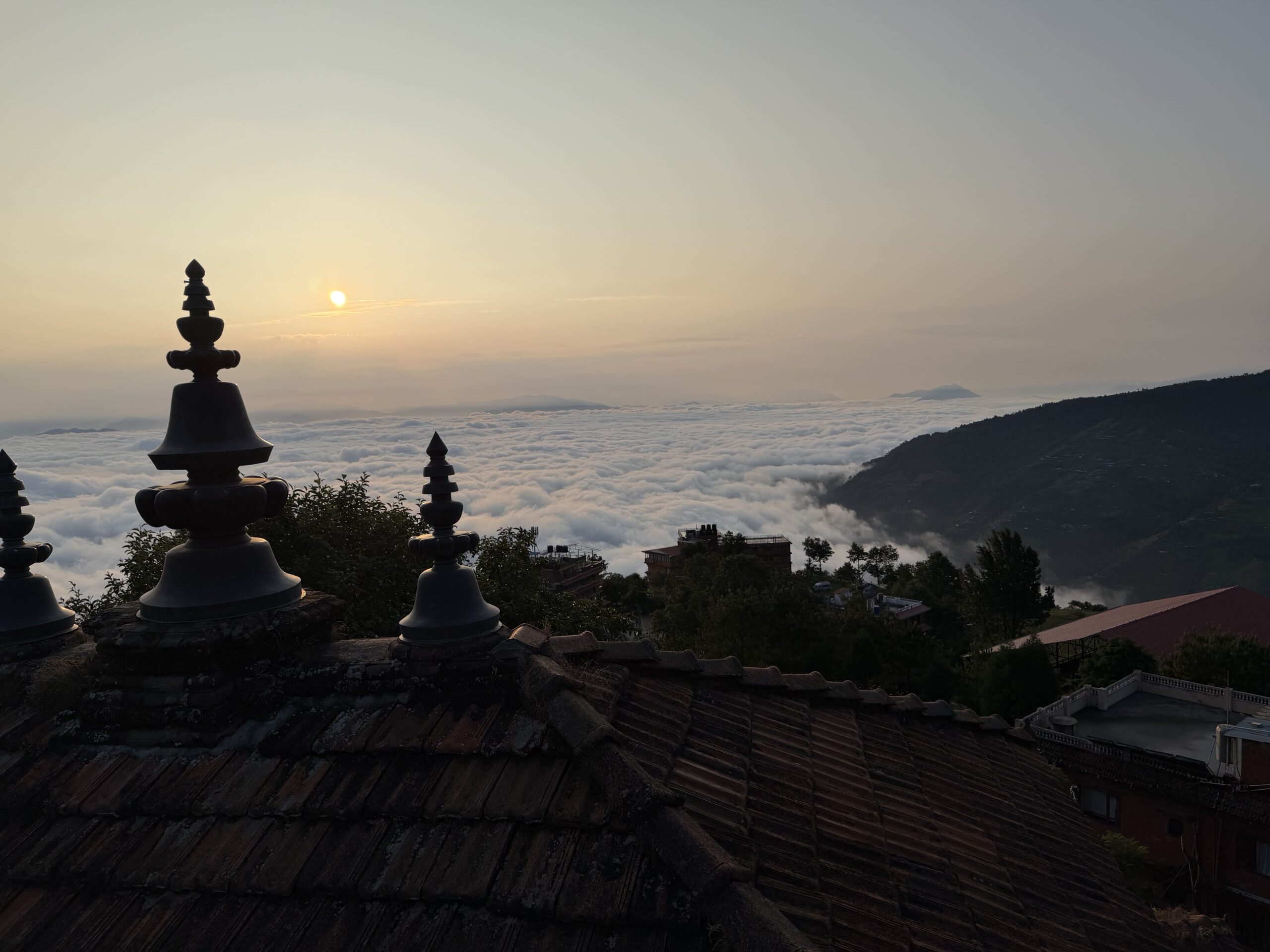
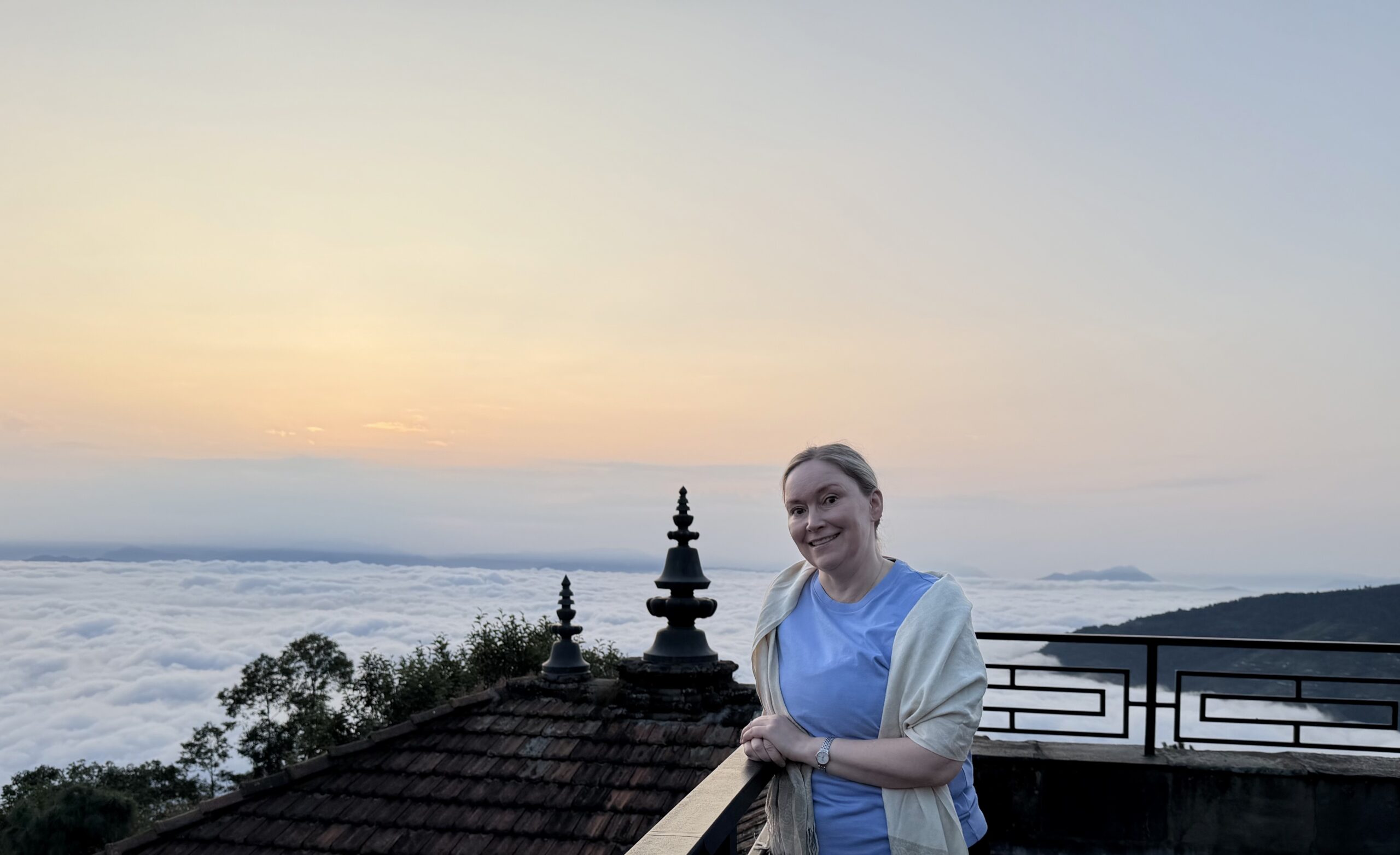
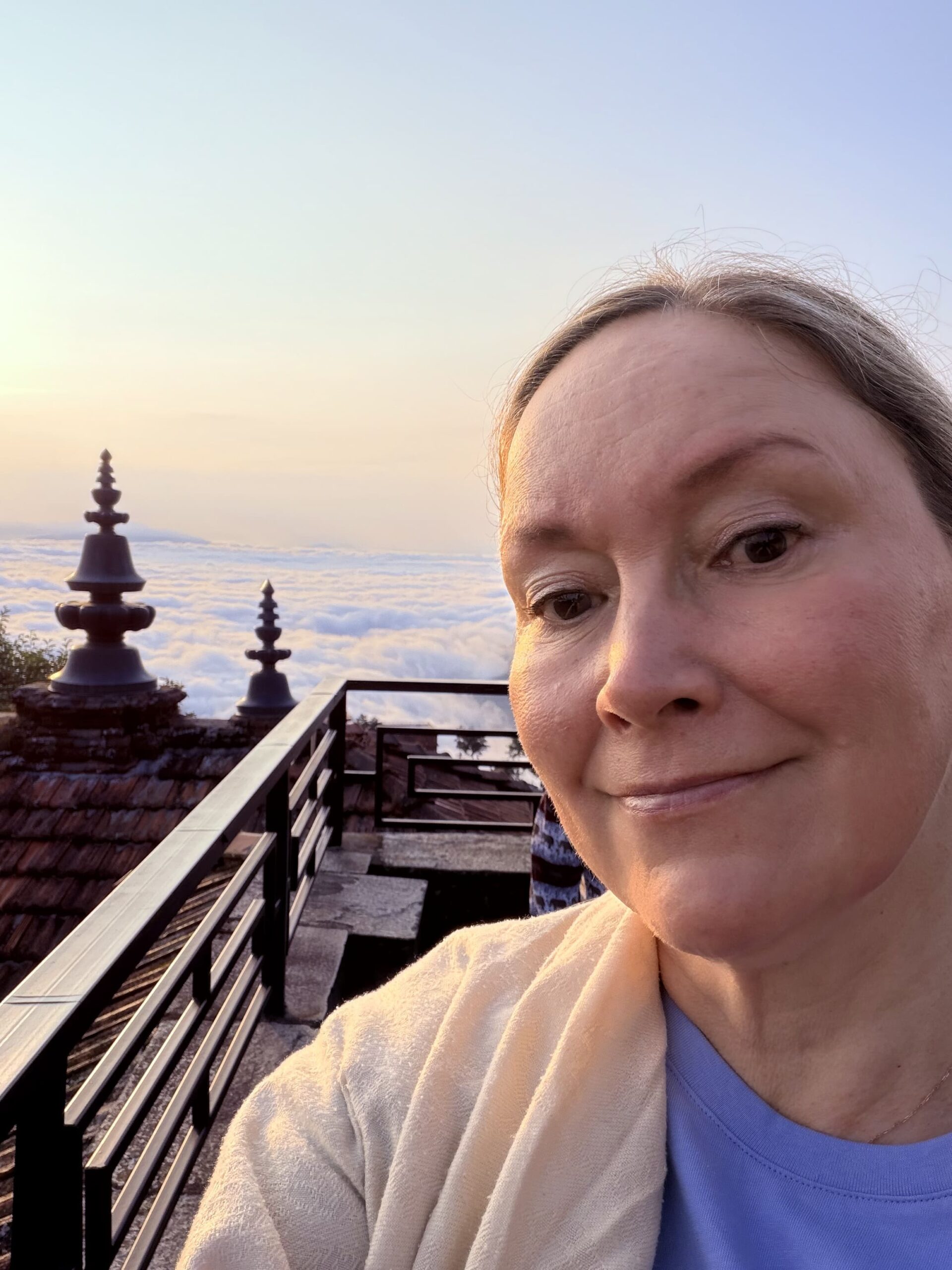
Early morningMagicEarlySunrise
I was awake before dawn, and to my surprise, I had cholinergic pharmacology in my mind. Suddenly, some dogs started barking at nothing, as they always do. I went to the veranda and saw the fluffy clouds from yesterday, but this time not from a plane. Professor Thapa had brought me 2000 meters over the sea. We were not able to see the whole of the Himalayas, but I got a glimpse. I wish every morning would be like this.
I was awake before dawn, and to my surprise, I had cholinergic pharmacology in my mind. Suddenly, some dogs started barking at nothing, as they always do. I went to the veranda and saw the fluffy clouds from yesterday, but this time not from a plane. Professor Thapa had brought me 2000 meters over the sea. We were not able to see the whole of the Himalayas, but I got a glimpse. I wish every morning would be like this.
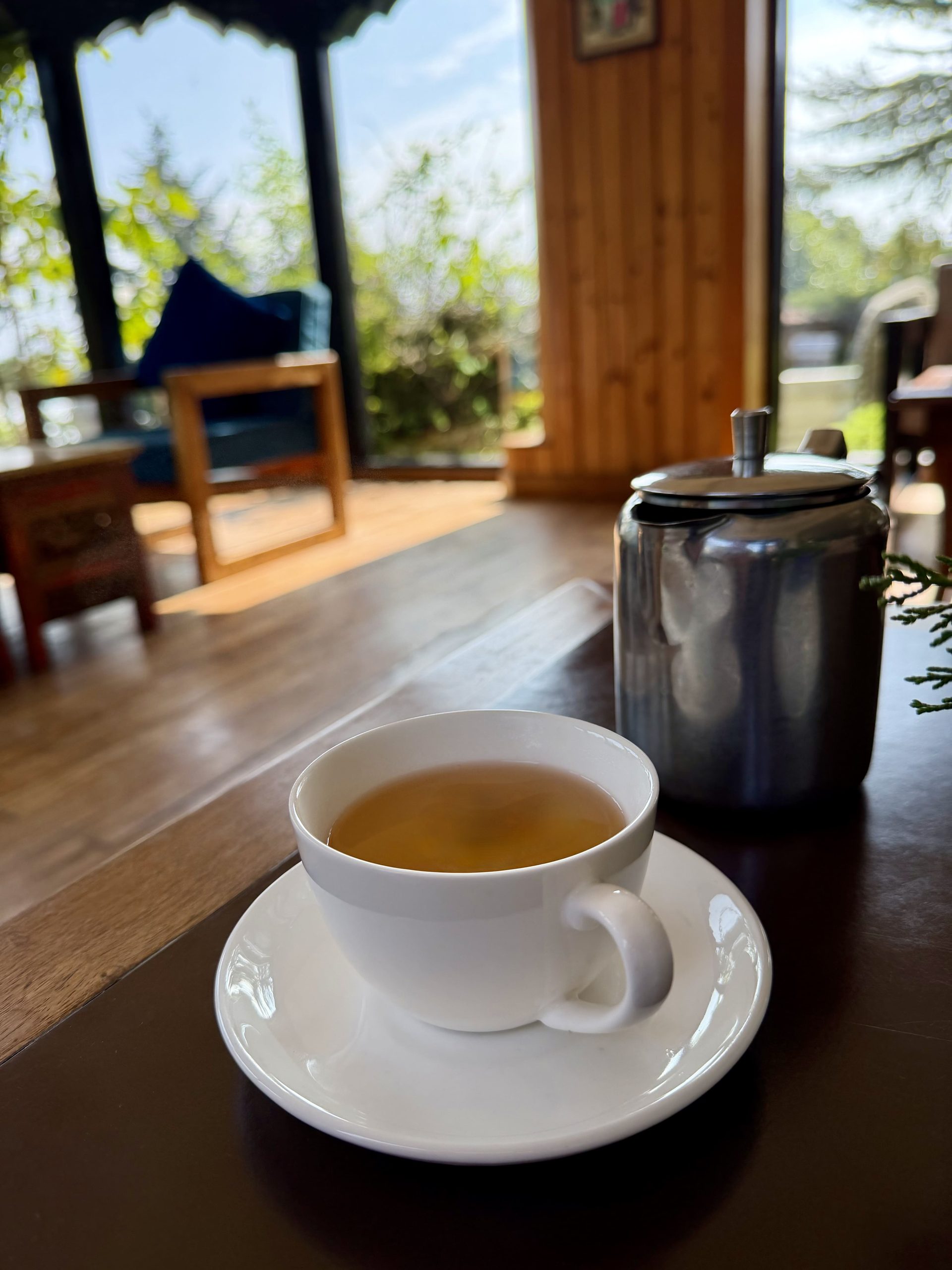
After breakfast, I had a little walk in the forest below the house. Lots of greenery was mixed with flowers, reminding me of tea plantations I have seen in Malaysia and Sri Lanka. This morning I also saw a coffee plant. The Himalayan java coffee is great, and the local tea is so smooth and fresh. I was told that there was a big earthquake in 2015 that actually demolished lots of buildings. They have made a great effort to rebuild houses.
I had some more tea and enjoyed the atmosphere. Birds and cicadas were singing in the background. A chilly morning in Nepal. And there is hope – I spoke with a German couple who saw the Rhinos the other day. They also didn’t know about Rhinos in Nepal.